A smart motorcycle tire upgrade guide should start with one simple truth: tires are not just replacement parts. They control grip, braking, handling, comfort, acceleration, and rider confidence. Whether you ride on the street, prepare for track days, or work with Micro Sprint performance setups, the right tire choice can completely change how the machine feels.
In 2026, riders are paying closer attention to tire performance because more people are getting back on two wheels, riding harder, and investing in maintenance instead of waiting for problems. Tire technology is also improving, with better rubber compounds, more specialized tread patterns, stronger carcass designs, and performance options built for specific riding styles. That is good news, but it also makes tire shopping more confusing if you do not know what to look for.
At Clifford Cycles, tire installation, performance setup, motorcycle service, and racing support all connect to the same goal: helping riders get more control from their bikes. A tire upgrade is one of the most practical improvements a rider can make because it affects every mile. Before buying a new set, it helps to understand how street tires, sport tires, track-focused tires, and Micro Sprint tire choices differ.
How to Choose the Right Motorcycle Tires in 2026
The best tire is not always the most expensive tire or the softest tire. The best tire is the one that matches your motorcycle, riding style, road surface, temperature, load, speed, and performance goals. A daily commuter needs different behavior than a weekend canyon rider. A sportbike rider needs different feedback than a cruiser owner. A track rider needs grip at high lean angles. A Micro Sprint setup may require a completely different approach based on chassis balance, surface, and race conditions.
A good motorcycle tire upgrade guide should help you avoid the most common mistake: choosing a tire based only on looks or brand reputation. A tire with an aggressive tread pattern may look fast, but it may not warm up properly for your riding environment. A track-style tire may offer great grip under the right conditions but wear quickly on regular roads. A touring tire may last longer but feel less sharp during aggressive cornering.
Street tires versus sport tires
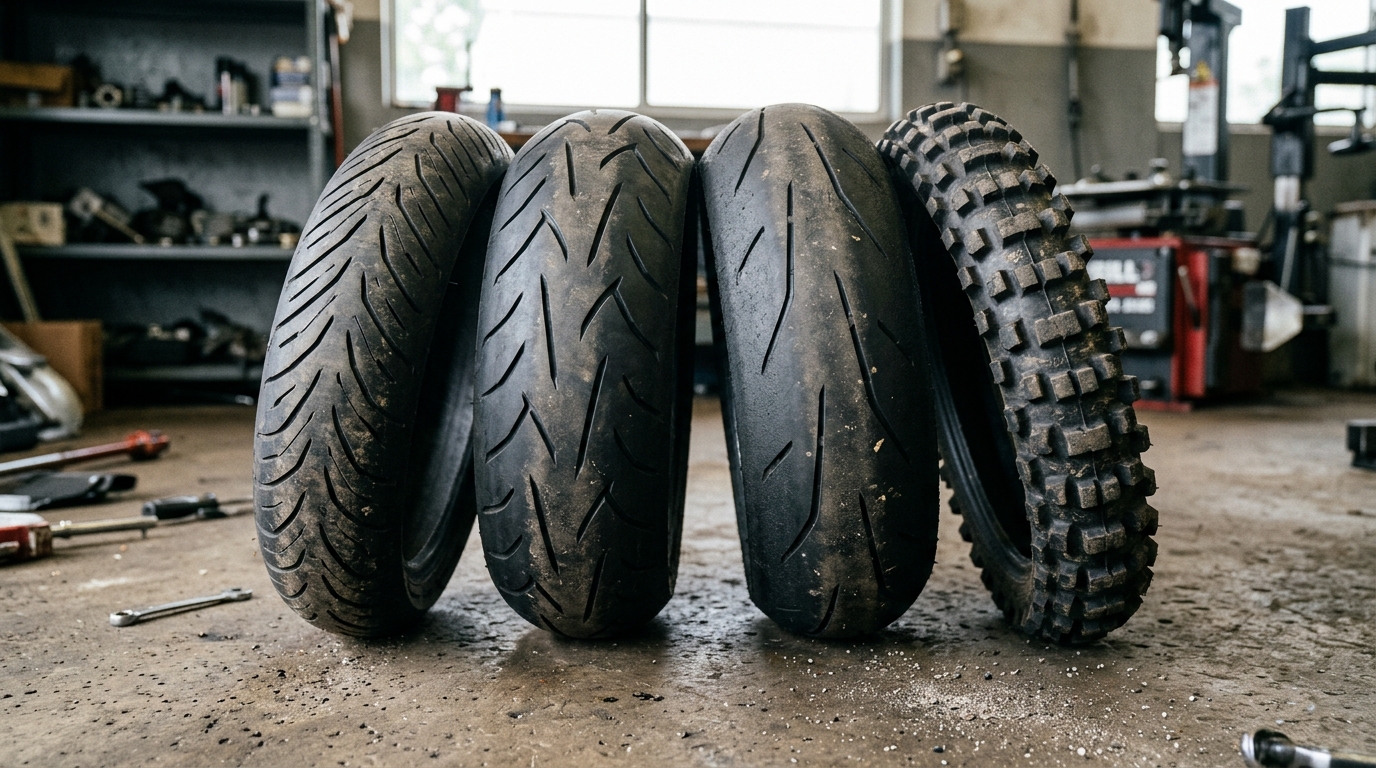
Street tires are designed for real-world riding. That means cold starts, stop-and-go traffic, wet roads, imperfect pavement, and longer wear life. They usually offer a balance of grip, comfort, durability, and predictable handling. For riders who commute, cruise, or ride mixed routes, a quality street tire is usually the smart choice.
Sport tires move the focus toward grip and handling response. They may warm up faster, provide stronger cornering confidence, and offer better feedback during aggressive riding. However, they can wear faster than touring tires, especially if the rider does a lot of highway miles. Choosing between street and sport tires depends on how the bike is actually used, not how the rider wishes it were used.
Why tread pattern matters
Tread pattern affects water evacuation, grip feel, noise, stability, and wear. Street tires need enough grooves to manage wet roads and changing conditions. Sport tires may have less tread and more rubber contact for dry grip. Dirt or mixed-surface tires use deeper tread blocks to bite into loose ground. A tire that works well on one surface may feel unstable or wear badly on another.
This is why tire selection should match both the bike and the environment. If you ride mostly pavement, a dirt-style tire may look rugged but reduce smooth-road performance. Ride aggressively, a basic economy tire may not provide the feedback you need. You ride in the rain, a dry-focused tire may not inspire confidence when conditions change.
Why tire compound matters
Tire compound is the rubber formula used in the tire. Softer compounds usually offer better grip, especially when warmed up, but they tend to wear faster. Harder compounds can last longer but may not provide the same cornering confidence. Some modern tires use multi-compound designs, with a harder center for mileage and softer shoulders for cornering grip.
For riders who want a true performance upgrade, compound choice is just as important as tire size. A rider who mostly cruises does not need the same compound as a rider who attacks corners. A track-day rider may need more heat tolerance. A touring rider may need long-distance durability. The right answer depends on honest riding habits.
Track riders need a different tire strategy
Track riding puts more heat, lean angle, braking force, and acceleration load into the tires. A tire that feels fine on the street may overheat, fade, or lose consistency when pushed hard on a closed course. Track riders should think about tire temperature, pressure changes, suspension setup, rider pace, and surface grip.
If you are building or preparing a motorcycle for racing, your tire choice should work with the entire setup. Suspension, chassis balance, braking performance, gearing, and engine response all affect how the tires behave. Clifford Cycles already covers racing motorcycle selection in its blog, and tire choice belongs in that same conversation because grip is what turns power into usable performance.
Track tires are not always better for daily riding
Many riders assume track tires are automatically better because they are built for speed. That is not always true. Some track-focused tires need heat to work properly. On a short street ride, they may never reach the temperature range where they perform best. They may also wear quickly, collect road debris, or provide less wet-weather confidence.
A proper motorcycle tire upgrade guide should be honest about trade-offs. Track tires are excellent when used correctly. For a dedicated track motorcycle, they may be the right choice. For a daily rider, a high-quality sport or sport-touring tire may deliver better real-world performance, longer life, and safer behavior in mixed conditions.
Tire Maintenance, Installation, and Setup Matter as Much as Tire Choice
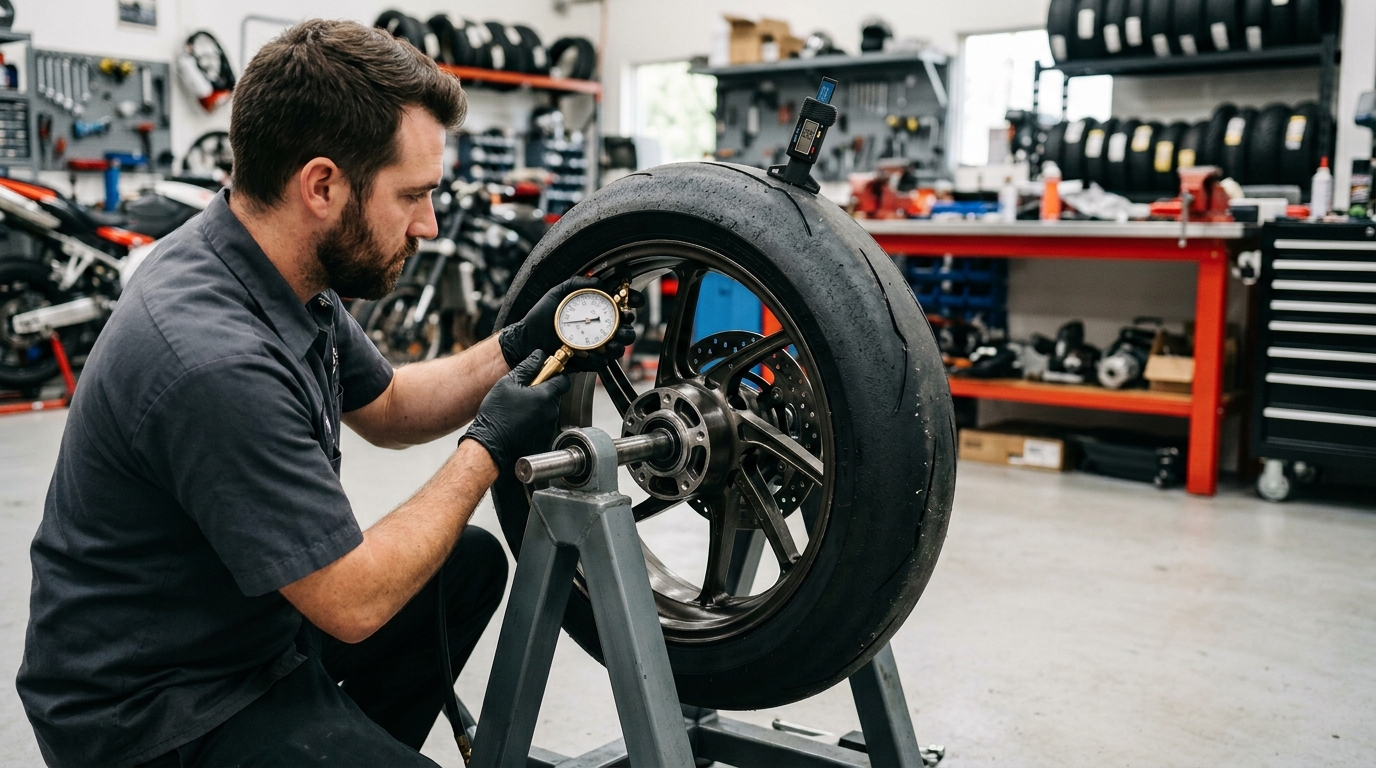
Buying the right tire is only half the job. The tire must also be installed properly, balanced correctly, inflated to the proper pressure, and checked regularly. A great tire with the wrong pressure can feel unstable. A poorly balanced wheel can create vibration. An old tire with good tread can still be unsafe if the rubber is hardened, cracked, or weathered.
The Motorcycle Safety Foundation’s T-CLOCS checklist is a useful outside resource because it reminds riders to inspect tires and wheels before riding. It includes tread depth, wear, weathering, tire pressure, bulges, embedded objects, wheel condition, spokes, rims, and bearings. You can review the official checklist here: Motorcycle Safety Foundation T-CLOCS Pre-Ride Inspection Checklist.
When should you replace motorcycle tires?
You should replace motorcycle tires when tread is too low, the tire is damaged, the sidewall is cracked, the rubber is aging, the tire has punctures that cannot be safely repaired, or the bike begins to feel unstable. Do not judge tire life only by mileage. Riding style, load, heat cycles, storage, road surface, pressure habits, and tire compound all affect tire wear.
Check for flat spots, cupping, uneven wear, exposed cords, bulges, cuts, embedded metal, and cracking. Also check the manufacturing date if the tire has been sitting for years. Even if the tread looks decent, old rubber may lose flexibility and grip. If you are unsure, have the tire inspected before relying on it for aggressive riding.
This is also a good time to inspect related parts. Wheel bearings, chain and sprockets, brakes, suspension, and alignment can all affect tire performance. Clifford Cycles has already covered motorcycle chain and sprocket selection, and that topic connects directly to tire performance because drivetrain changes affect acceleration, load, and rear tire behavior.
Why professional tire installation is worth it
Motorcycle tire installation is not a place to cut corners. The wheel must be handled carefully, the bead must seat correctly, the valve stem should be checked, and the wheel should be balanced before the bike goes back on the road. Mistakes can lead to air leaks, vibration, poor handling, or premature tire wear.
Professional installation also gives you a chance to catch other problems early. A technician may notice worn bearings, damaged rims, uneven brake pad wear, incorrect spacers, or signs that the suspension setup is affecting tire wear. Clifford Cycles offers motorcycle service, same-day tire changes, parts support, dyno tuning, and performance work, so tire replacement can be handled as part of a broader setup plan.
For riders chasing better performance, tire upgrades should also be paired with setup checks. If the bike has new power delivery, fuel tuning, different sprockets, or suspension changes, the tire may respond differently. Riders who have upgraded bearings may also want to review Clifford Cycles’ article on ceramic bearings versus steel bearings because reduced friction and wheel condition can affect how smoothly the bike rolls.
A smart tire upgrade is not just about buying rubber. It is about matching the tire to the rider, the motorcycle, the road, and the performance goal. Street riders need dependable grip. Track riders need heat management and feedback. Micro Sprint and racing customers need setup-focused thinking. The right tire can make the bike safer, sharper, and more enjoyable.
If your current tires are worn, old, damaged, or simply not matched to your riding style, a tire upgrade may be one of the best improvements you can make. Use this motorcycle tire upgrade guide as a starting point, then work with an experienced shop that understands both daily riding and performance needs.