Modern motorcycles are getting smarter fast. In 2026, more bikes are showing up with ride modes, traction control, quickshifters, IMU-based rider aids, cornering ABS, and app-connected dashboards. That sounds great on paper, and a lot of it is great on the road. But here is the blunt truth: none of that technology can fully save a bike that is badly set up underneath you. That is exactly why motorcycle suspension setup in 2026 matters more than many riders think.
Too many riders assume electronics will smooth out every weakness. They expect traction control to handle poor grip, ride modes to fix bad balance, and power delivery settings to compensate for a bike that feels nervous, vague, harsh, or lazy in corners. That is not how it works. Rider aids can help manage power and improve safety margins, but they do not replace proper chassis setup. If your suspension is wrong for your weight, your riding style, your tires, or the roads you actually ride, the bike will still tell on itself.
This matters whether you ride a sportbike, a naked bike, or something used for a mix of street and track time. A bad setup can make a strong bike feel average. A good setup can make the same bike feel precise, stable, and much easier to trust. That is why shops that actually understand performance, like Clifford Cycles, still put real emphasis on chassis modifications, suspension valving, dyno tuning, and custom setup work.
Why This Topic Matters More in 2026
The 2026 motorcycle market is leaning harder into electronics. New models are arriving with more standard rider aids, more configurable performance settings, and more sophisticated control systems than riders used to get outside premium segments. That can create a false sense of security. People start thinking that because the bike has traction control, ABS, and multiple ride modes, the mechanical setup underneath matters less.
It does not.
If anything, the opposite is true. As bikes become more capable, poor setup becomes more obvious. When a motorcycle has sharper engines, better brakes, and more rider-adjustable electronics, you feel chassis problems sooner, not later. A bike with poor sag, wrong preload, mismatched damping, or tired suspension parts will still resist turning, squat too much under power, run wide, chatter, or feel unsettled over bumps. The electronics may reduce the consequences in some moments, but they do not fix the root cause.
What Riders Usually Get Wrong About Suspension
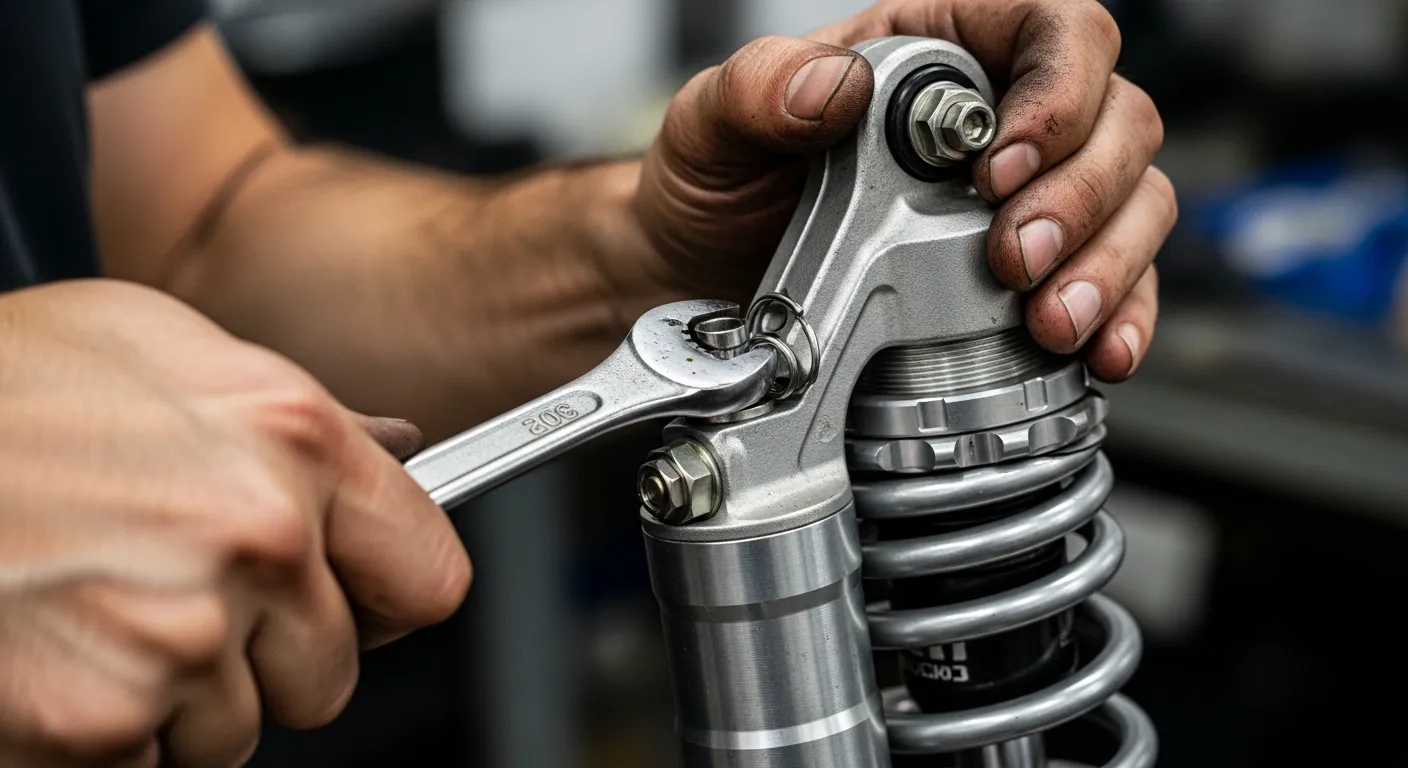
A lot of riders hear “suspension setup” and immediately think it only matters for racers. That is wrong. Track riders need it, sure, but street riders need it too. In fact, everyday riders often benefit even more because most factory settings are broad compromises. Manufacturers have to build bikes that work for a wide range of rider weights, riding styles, roads, and expectations. That means your bike is almost never set up perfectly for you from the start.
Another mistake is assuming suspension is only about comfort. Comfort matters, but that is not the whole story. Suspension setup affects how the bike brakes, turns, drives off corners, holds a line, and communicates grip. It affects rider confidence. It affects fatigue. It affects whether the bike feels planted or sketchy.
If you already read Clifford Cycles’ post on racing bikes vs. street bikes, this fits right into that conversation. Racing bikes and street bikes use suspension differently, but both depend on correct setup to work properly.
The Four Setup Areas That Matter Most
1. Sag and Spring Preload
This is the foundation. If sag is wrong, everything else starts from a bad baseline. Too much sag and the bike can sit low, feel vague, and move through its travel too quickly. Too little sag and it can feel tall, harsh, and unwilling to settle into corners.
For real setup work, preload should not be treated like a magic fix for everything. Its job is to help position the bike in the correct part of the suspension stroke for your weight and use. Official Öhlins guidance makes the point clearly: preload is a fundamental setting, and if it is set incorrectly, other adjustments can be compromised.
2. Compression Damping
Compression controls how the suspension reacts when it is being compressed, whether from braking, acceleration load, bumps, or surface changes. If compression is too soft, the bike may dive, squat, or feel loose. If it is too firm, the bike may feel harsh, skip over rough pavement, and lose grip instead of using it.
This is one area where riders often chase the wrong feeling. They think stiffer automatically means more performance. Sometimes it just means less compliance and worse traction.
3. Rebound Damping
Rebound controls how quickly the suspension returns after being compressed. Too much rebound and the bike can pack down, feel dead, and stop recovering properly between bumps or transitions. Too little rebound and it can feel bouncy, nervous, or unstable.
Bad rebound settings are one of the most common reasons a bike feels unpredictable even when nothing looks obviously wrong.
4. Ride Height and Chassis Balance
Small geometry changes make a big difference. Rear ride height, front fork position, and overall bike balance affect turn-in, stability, anti-squat behavior, and how much effort it takes to change direction. This is where good setup work stops being guesswork and starts becoming real performance tuning.
Öhlins notes that changing shock length changes steering geometry and chain force, which directly affects how the bike behaves. That is not internet myth. That is how chassis setup works in the real world.
Why Tires and Drivetrain Still Matter
A lot of riders talk about suspension in isolation, but the bike works as a package. Tire choice, tire pressure, and gearing all affect what you feel and what the chassis is doing. If you are trying to solve a handling problem without checking the tire condition, pressure, or drivetrain setup, you can waste a lot of time.
That is one reason Clifford Cycles’ existing post on choosing the right chain and sprockets matters here too. Gearing changes can affect how the bike drives off corners and how it loads the rear. That does not replace suspension setup, but it absolutely influences the overall feel.
The same goes for tires. Fresh rubber with the wrong pressure can still feel bad. Great suspension on a worn tire can still feel bad. Riders who want one perfect fix are usually disappointed because handling problems often come from a combination of factors, not one dramatic fault.
What a Poor Setup Feels Like on the Road
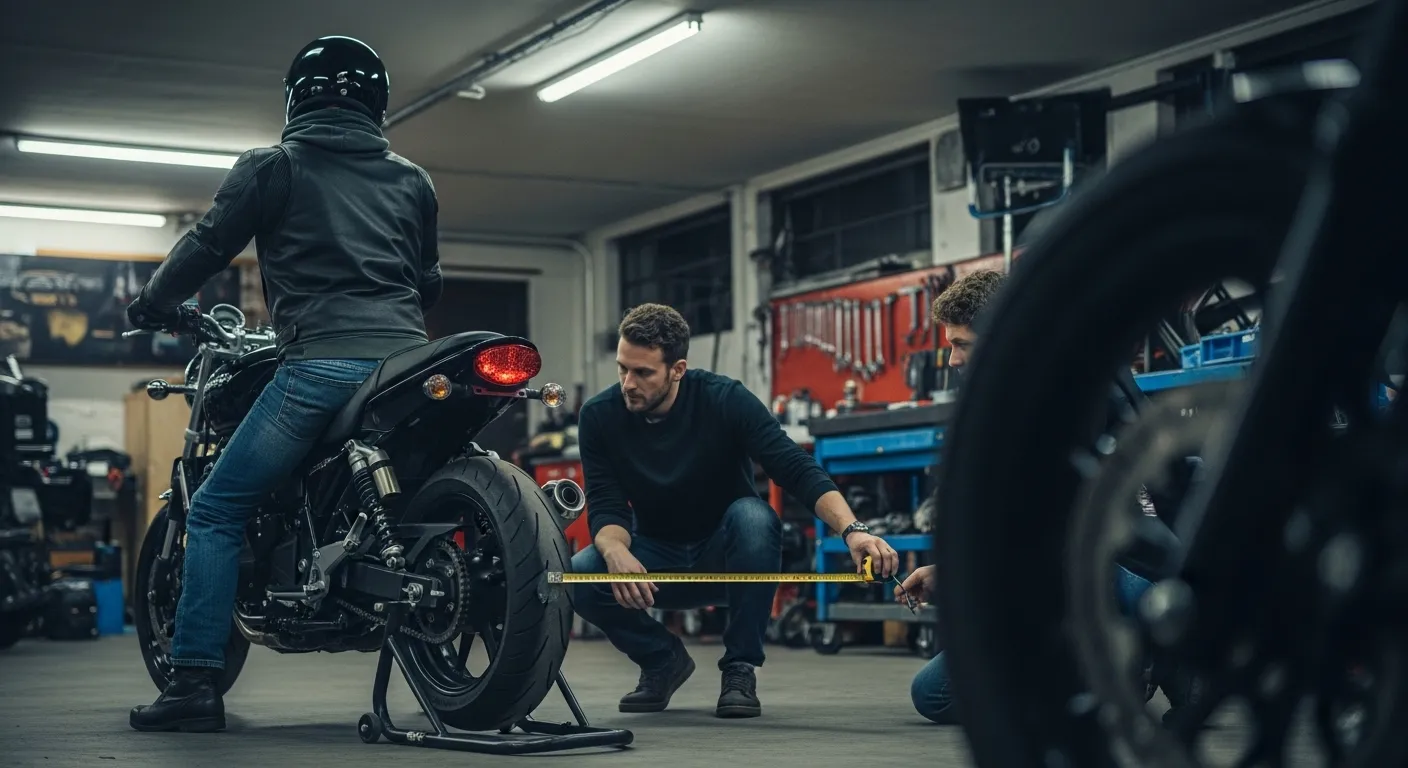
If you are not sure whether your bike needs attention, the symptoms are usually obvious once you stop ignoring them. A poor setup often feels like one or more of these:
- The bike runs wide in corners even when your input is clean
- It feels nervous on corner entry or vague at mid-corner
- It squats too hard under acceleration
- It dives too much under braking
- It chatters, skips, or feels harsh on rough pavement
- It takes more effort than it should to hold a line
- You finish rides more fatigued than expected because you are constantly correcting the bike
Those are not just annoyances. They are the bike telling you something is off.
Why Rider Aids Still Help, But Only Up to a Point
This is not an anti-technology argument. Modern rider aids are useful. Quickshifters improve flow. Traction control can help in imperfect conditions. Cornering ABS adds a meaningful safety layer. Ride modes can make powerful bikes easier to live with. None of that is fake.
But electronics are management tools, not miracle tools. They are there to support a well-functioning motorcycle, not replace the basics. If the suspension is wrong, the electronics are reacting to a flawed platform. That is like putting expensive software on a machine with a mechanical problem and expecting the software to solve it.
In 2026, the smartest riders are not choosing between electronics and setup. They are using both properly.
When to Get Professional Help
There is a point where random click changes in the garage stop being productive. If your bike feels consistently wrong, if you have changed your tires or gearing, if you have modified the exhaust or fueling, or if you ride both street and track, it is worth getting the bike looked at by people who actually do chassis and tuning work every day.
That is where a real performance shop earns its keep. Clifford Cycles does not just swap parts. The shop already positions itself around dyno tuning, fuel injection tuning, suspension valving, chassis modifications, and custom setup, which is exactly the kind of service stack riders need when a bike feels close to right but not truly dialed in.
For riders who want a deeper technical reference on the basics, the Öhlins rear suspension knowledge center is a solid source on preload, damping, sag, and setup priorities.
Final Thoughts
Motorcycle suspension setup in 2026 matters because modern bikes are getting more advanced, not less. The better the electronics become, the more obvious it is when the chassis underneath is not working the way it should. Rider aids can support performance and safety, but they cannot fix poor geometry, bad preload, worn components, or damping that does not match the rider and the road.
If your bike feels nervous, harsh, lazy, vague, or harder to trust than it should, stop blaming the tires alone and stop assuming a new ride mode will save it. The smarter move is to get the setup right. When the chassis is sorted, everything else works better too.