Modern motorcycle tuning is changing fast. A few years ago, most riders thought about performance upgrades in simple terms: exhaust, fuel controller, chain and sprockets, and maybe a dyno session. In 2026, the conversation is broader. Many new motorcycles now come with ride-by-wire throttles, multiple ride modes, quickshifters, traction control, cornering electronics, and highly sensitive engine management systems. That means riders can no longer think about tuning as a single bolt-on upgrade. Instead, modern motorcycle tuning is about how software, fueling, throttle response, drivetrain setup, and mechanical condition all work together.
For everyday riders, that is actually good news. A smarter tuning approach can make a bike smoother in traffic, sharper on back roads, and more predictable on track days. It can also help protect the engine from bad fueling habits, mismatched parts, or upgrades that look impressive on paper but do not work well together in the real world. Shops that understand fuel delivery, electrical systems, engine health, and mechanical setup are in a better position to help riders build a bike that feels complete instead of pieced together.
If you are already exploring motorcycle services at Clifford Cycles, this is the right time to look at your bike as a full system. Modern performance is not just about more horsepower. It is about cleaner power delivery, better throttle behavior, stronger reliability, and upgrades that match how you actually ride.
Why Modern Motorcycle Electronics Matter More Than Ever
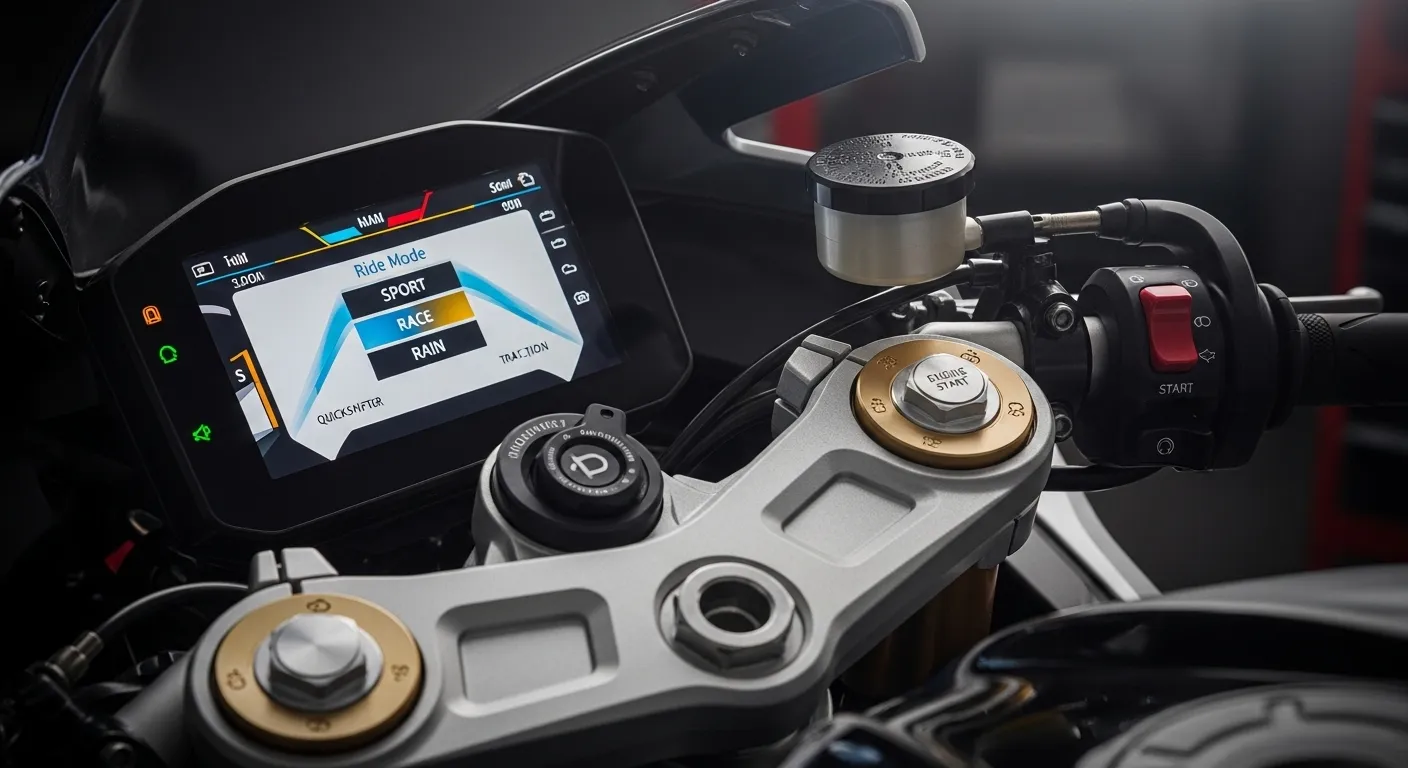
The biggest reason modern motorcycle tuning matters more in 2026 is simple: motorcycles have become far more electronic. On many current bikes, the throttle is no longer just a cable pulling directly on the throttle bodies. Rider input goes through sensors, the ECU interprets it, and then the bike decides how aggressively to deliver power. Add ride modes, quickshifters, and traction systems to the mix, and even a small performance change can affect how the bike feels in multiple riding conditions.
That does not mean electronics make tuning harder. It means tuning has to be more deliberate. A motorcycle with uneven fueling, worn drivetrain parts, or electrical issues can feel rough even when the engine is strong. On the other hand, a properly sorted bike can feel faster, smoother, and more confidence-inspiring without chasing extreme numbers.
Ride-by-Wire Changed the Tuning Conversation
Ride-by-wire systems have pushed modern motorcycle tuning into a more refined era. Instead of thinking only about peak output, riders now care more about where and how power arrives. A bike that jerks at low speeds, surges mid-corner, or feels lazy when rolling back on the throttle may not need dramatic engine work. It may need better mapping, cleaner fueling, or a smarter overall setup.
Throttle response is now software-driven
On many modern bikes, throttle feel is shaped by software logic as much as hardware. That means changes to intake, exhaust, fueling, or ECU behavior can transform the riding experience even if the dyno chart only shows a modest difference. Riders often notice smoother roll-on power, less hesitation leaving corners, and more predictable acceleration in daily use. For many street riders, those gains matter more than a headline horsepower number.
This is where services such as fuel injection tuning and cleaning and motorcycle electrical diagnostics and repairs become important. If injectors are dirty, sensors are inconsistent, or wiring issues are affecting signals, the bike may never respond the way it should. Before chasing big upgrades, it makes sense to confirm the foundation is healthy.
One bike can behave like several bikes
Ride modes have changed rider expectations. A single motorcycle may now offer softer rain behavior, balanced street mapping, and a sharper sport mode. That flexibility is great, but it also means a poorly sorted bike becomes more obvious. If one mode feels abrupt, another feels flat, and a third feels inconsistent, the issue is often not the mode itself. The issue is that the bike needs a cleaner baseline tune or better supporting maintenance.
That is why modern motorcycle tuning should start with clarity. What does the rider want from the bike? Better commuting manners? Stronger corner exits? A smoother track-day setup? More confidence in wet or changing conditions? Once that goal is clear, the tuning decisions become smarter and the money gets spent in the right places.
Quickshifters and Ride Modes Are No Longer Premium Extras
Quickshifters used to feel like exotic hardware reserved for race bikes and top-tier sport machines. Now they are showing up on a wider range of motorcycles, and riders expect them to work smoothly. When they do, the result is cleaner acceleration, reduced shift interruption, and less fatigue in aggressive riding. When they do not, riders blame the quickshifter even though the real issue may come from fueling, clutch wear, chain condition, or shift linkage problems.
Faster shifting still needs clean fueling
A quickshifter works best when the motorcycle is already running well. If the engine has uneven fueling, delayed ignition response, or a tired drivetrain, shifts can feel harsh or inconsistent. Riders sometimes install performance parts and expect the electronics to cover up a weak setup. That is backwards. Electronics perform best when the mechanical and fuel systems are already in good shape.
This is one reason drivetrain maintenance still matters in 2026. If your chain is stretched, your sprockets are worn, or your gearing no longer matches your riding style, the bike can feel rougher than it should. Clifford Cycles already has a good primer on choosing the right motorcycle chain and sprockets for peak performance, and that kind of upgrade still plays a major role in real-world tuning.
Electronics cannot hide mechanical wear
This is one of the most overlooked truths in modern motorcycle tuning. Riders get excited about software and sensors, but a bike still depends on bearings, engine health, wheel condition, and clean assembly. If those basics are neglected, the bike will never feel fully sorted. For example, bearing friction, wheel drag, or neglected engine maintenance can make a motorcycle feel dull even when the electronics package is advanced.
That is why it also makes sense to review supporting topics such as ceramic bearings vs. steel bearings and proper engine maintenance and builds. A strong tune sits on top of a healthy machine. It does not replace the need for one.
How Riders Can Tune Smarter in 2026
The smartest riders in 2026 are not just buying random parts. They are building a performance plan. That plan starts with how the bike is used most often. A commuter bike, canyon bike, and occasional track bike do not need the same priorities. Some riders need smoother low-speed throttle pickup. Others need stronger midrange response. Some want quicker shifting and crisper corner exits. Others mainly want reliability with a little extra edge.
A smart tuning plan usually follows this order:
- Confirm the bike is mechanically healthy.
- Inspect electrical and fuel systems for hidden issues.
- Decide whether your priority is smoothness, response, or outright performance.
- Match upgrades so the ECU, fueling, drivetrain, and engine all support the same goal.
- Test changes in real riding conditions instead of relying only on marketing claims.
It also helps to be honest about the motorcycle itself. A race-focused machine and a street bike are built with different priorities, which is why articles like motorcycle racing bikes vs. street bikes still matter when planning upgrades. The best tune is not the most aggressive one. It is the one that fits the bike, the rider, and the intended use.
Build a Performance Plan That Matches Your Bike
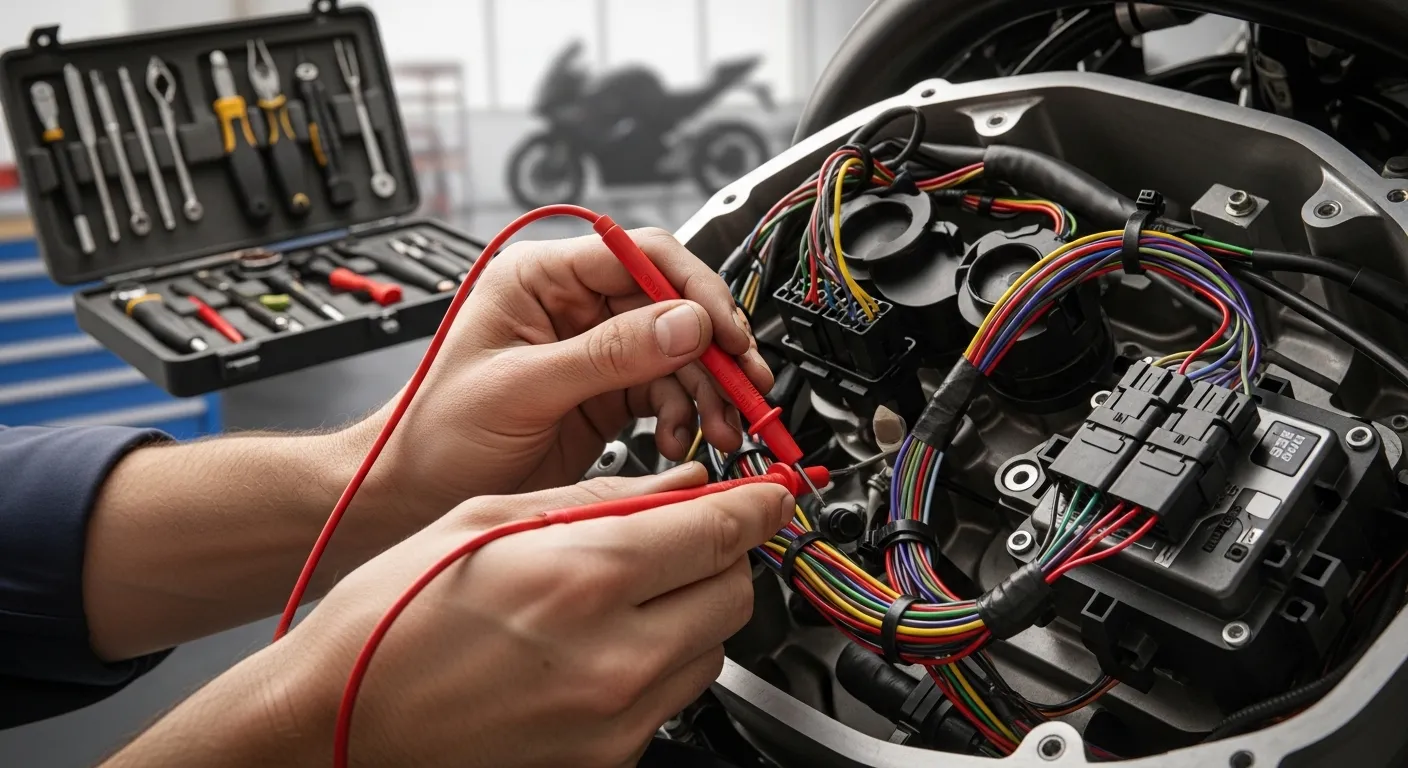
If your motorcycle is modern enough to have ride modes, quickshifter integration, or advanced rider aids, treat it like a system. Start with maintenance and diagnostics. Then decide whether you need fuel system work, electrical troubleshooting, gearing changes, or engine refinement. A good shop should be able to explain why a recommendation makes sense instead of just pushing expensive parts.
Riders who want a deeper understanding of how modern motorcycle electronics are evolving can also look at manufacturer tech pages and safety suppliers. For example, Bosch explains how IMU-based motorcycle stability systems work and how they support braking and traction functions on modern bikes. That broader shift toward electronics-aware performance is exactly why tuning in 2026 requires more than old-school guesswork.
The takeaway is clear. Modern motorcycle tuning is no longer about adding one part and hoping for the best. It is about making the motorcycle feel complete. When fueling is clean, electronics are healthy, drivetrain parts are matched, and the engine is well maintained, the bike feels sharper everywhere. It starts easier, shifts better, responds faster, and gives the rider more trust on the road or track.
For riders who want that kind of result, the best approach is not chasing hype. It is working with a shop that understands performance from multiple angles. Clifford Cycles is already positioned well for that conversation because the site speaks directly to fuel systems, electrical work, engine services, and performance-minded upgrades. In 2026, that all-in approach is what modern motorcycle tuning really looks like.