Micro Sprint off-season maintenance in 2026 is an important part of preparing for a reliable racing season. When the final checkered flag falls, it can be tempting to park the car, cover it, and forget about it until spring. However, the months between seasons offer an opportunity to identify worn components, address engine concerns, and plan improvements without the pressure of an upcoming race.
Micro Sprint race cars combine lightweight chassis with powerful motorcycle-derived engines. Their performance depends on the condition of the engine, fuel delivery system, cooling components, drivetrain, suspension, and electrical equipment. A problem in one area can affect the reliability of the entire car.
For racers in Omaha and across the Midwest, autumn is a practical time to inspect equipment before winter storage. Dirt, vibration, repeated acceleration, and demanding track conditions can expose components to significant stress throughout the season.
This guide explains what to examine after the final race, which issues may justify professional service, and how to organize an off-season maintenance plan that supports a more predictable return to competition.
Start Micro Sprint Off-Season Maintenance With a Complete Inspection
A useful inspection begins before the car is completely disassembled. Document how the vehicle performed during its final events, including unusual noises, temperature changes, handling complaints, and electrical problems.
Race notes can help identify recurring concerns. For example, a driver may report inconsistent throttle response at corner exit, while the crew notices elevated temperatures during longer green-flag runs.
These observations provide valuable context when deciding which systems require testing.
Clean the car sufficiently to expose damaged components, fluid leaks, and loose connections. Avoid directing high-pressure water into sensitive electrical assemblies, bearings, or exposed intake components.
Check the motorcycle-based racing engine before storage
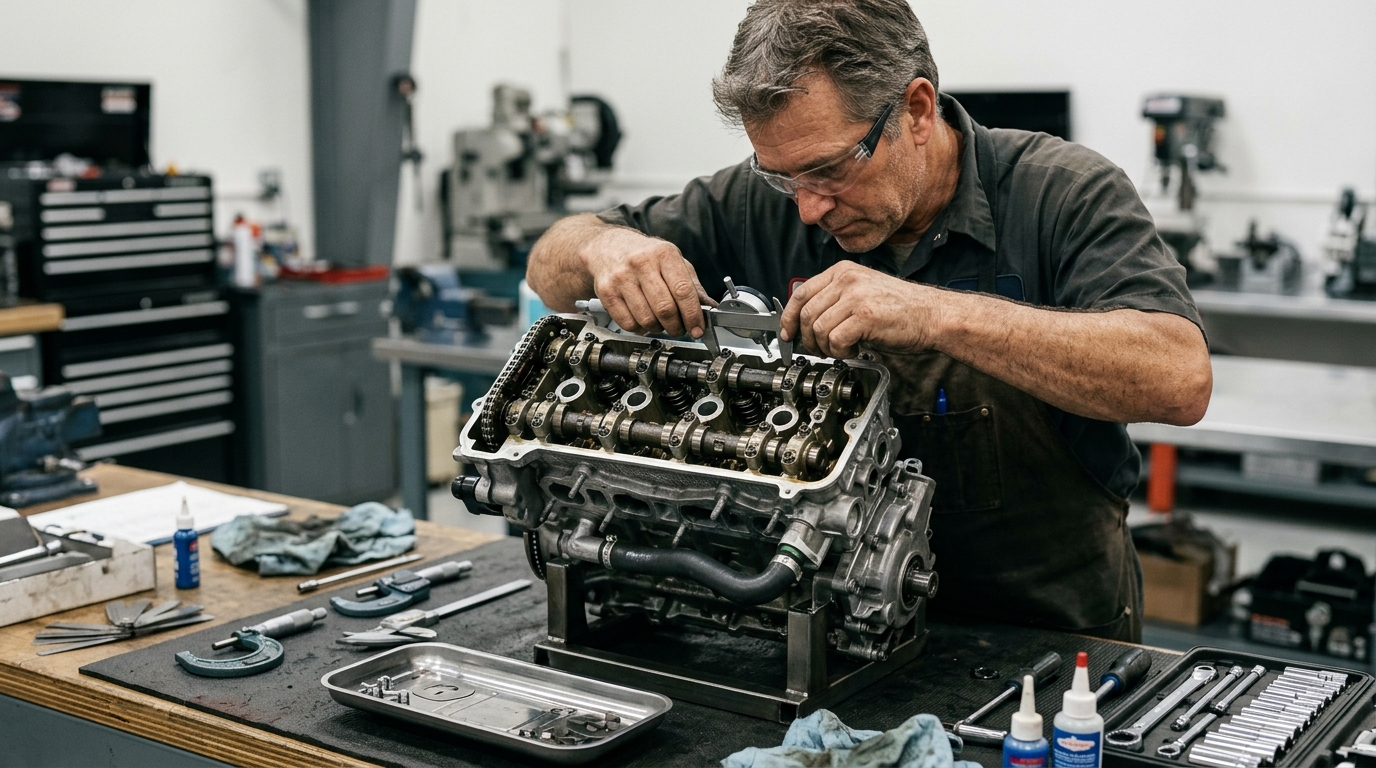
Many Micro Sprint configurations use motorcycle-derived engines, including Yamaha R6 and Kawasaki ZX6R platforms. These engines may operate under conditions very different from those experienced in their original motorcycle applications.
Frequent high engine speeds, racing loads, modified cooling systems, and class-specific engine configurations can influence maintenance needs.
Begin with a visual inspection for oil leaks, damaged hoses, loose fasteners, and evidence of overheating. Review oil condition and any available maintenance records.
If the engine experienced abnormal temperatures, reduced performance, or unusual noises, investigate those symptoms before simply changing the oil and storing the car.
Clifford Cycles offers Micro Sprint engine services and components, including R6 and ZX6R engine options, cylinder-head work, oil system components, and related racing parts.
When compression and leak-down testing make sense
Compression testing and cylinder leak-down testing can help technicians evaluate aspects of engine sealing and mechanical condition.
These tests are especially useful when there are symptoms such as declining power, difficult starting, abnormal oil consumption, or suspected internal wear.
However, results depend on the engine design, testing method, operating temperature, and equipment used. Numbers from one engine should not automatically be compared with an unrelated model.
A trained engine builder can interpret the results alongside service history and other diagnostic information.
For race engines with known mechanical problems, the off-season provides time to determine whether a repair, inspection, or complete rebuild is justified.
Inspect cooling, lubrication, and valve-related components
Cooling problems can cause major interruptions during a racing season. Inspect the radiator, hoses, clamps, coolant connections, water pump, and any modified cooling components.
Check for cracked hoses, damaged fittings, leaks, or areas where components rub against the chassis.
Lubrication deserves equal attention. The engine’s oil system must match its configuration and intended operating conditions. Modified sumps, oil pans, and related components should be inspected for damage or installation concerns.
Valve clearance inspection intervals and internal service requirements depend on the engine, racing use, and builder’s recommendations.
Avoid applying ordinary street-motorcycle service intervals automatically to a highly modified racing engine.
Clifford Cycles’ motorcycle service department also lists engine building, precision valve work, flow testing, fuel injection services, and dyno testing among its capabilities.
Inspect the fuel system and electrical connections
Fuel-related problems can produce rough running, inconsistent acceleration, and unreliable starting. At the end of the season, inspect lines, fittings, filters, injectors or carburetors, and fuel-system mounting points.
Look for leaks, cracking, chafed hoses, and evidence of contamination. Replace damaged parts using components appropriate for the fuel and pressure requirements.
Different classes and engine setups may use different fuels or delivery systems. Storage practices must match the equipment manufacturer’s guidance and the actual fuel formulation.
Electrical wiring should also be checked for abrasion, loose connectors, heat damage, and inadequate support.
Why fuel mapping and injector condition matter
Electronic fuel injection systems depend on suitable fuel delivery, functioning sensors, and correct engine calibration.
A race engine with restricted injectors or incorrect fuel mapping may produce inconsistent throttle response or undesirable operating conditions.
However, not every running problem requires a new ECU map. Ignition faults, mechanical wear, fuel pressure issues, and poor electrical connections can produce similar symptoms.
Diagnose the underlying issue before making calibration changes.
For further information, read Modern Motorcycle Tuning in 2026, which explains how ECU settings, throttle response, fueling, and mechanical condition work together.
Professional testing may help determine whether injector cleaning, fuel-system repair, or calibration work is appropriate.
Prepare the Chassis and Drivetrain for the Next Racing Season
Even a well-maintained engine cannot compensate for damaged chassis components or an unreliable drivetrain.
Micro Sprint cars experience repeated cornering loads, vibration, braking forces, and impacts from uneven racing surfaces. These stresses can contribute to wear that is not immediately apparent after a race.
The off-season is an opportunity to inspect components systematically instead of replacing only the parts that fail during competition.
Check suspension, steering, brakes, and drivetrain wear
Begin with the chassis and suspension mounting points. Look for cracks, deformation, loose hardware, and unusual wear patterns.
Inspect steering joints, rod ends, bearings, shocks, springs, and associated mounting hardware according to the car’s design.
Any structural damage should be assessed by qualified personnel. Welding or modifying a stressed chassis component without understanding its material and design can introduce additional risks.
Clifford Cycles lists custom chassis modifications, racing suspension components, wheel-related products, and drivetrain equipment among its Micro Sprint services.
Build a race-ready checklist before spring testing
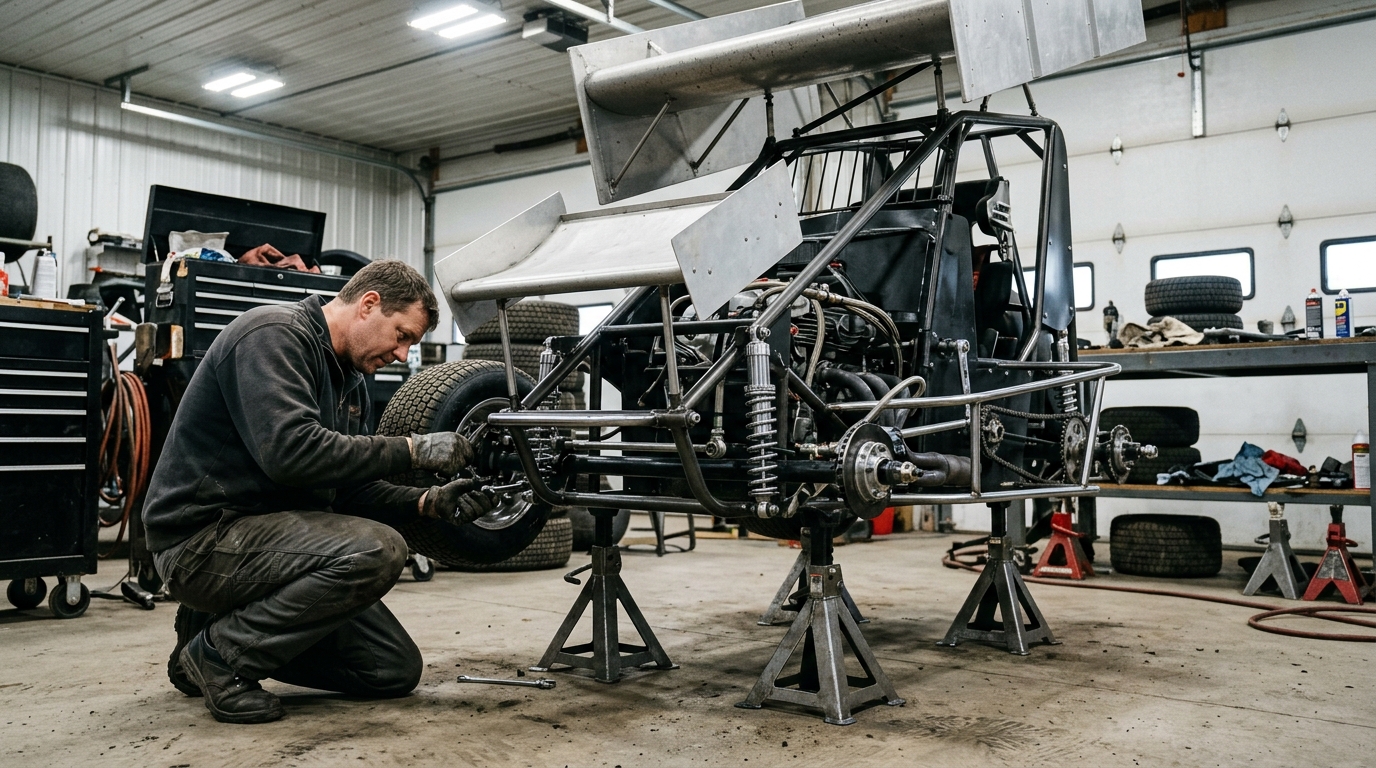
Before returning to the track, verify that critical fasteners are secured to the relevant specifications and that all safety-related systems function correctly.
Inspect brake components for wear, leaks, damage, and appropriate pedal operation. Check wheel bearings, wheel condition, and tire suitability for the intended racing surface.
Examine the chain, sprockets, alignment, and protective guards where applicable. Worn or incorrectly aligned drivetrain parts may increase the likelihood of mechanical failure.
Check the battery, charging system, electrical disconnects, and wiring. Confirm that ignition controls and other required equipment operate correctly.
Safety equipment must also receive attention. Inspect the seat, belts, mounting systems, and other required protective components according to the applicable racing organization’s rules and manufacturer instructions.
Do not assume equipment is compliant simply because it was accepted during the previous season. Rulebooks, certification requirements, and component expiration dates may change.
One useful strategy is to divide maintenance into three categories: immediate safety repairs, reliability improvements, and optional performance upgrades.
Complete safety-related work first. Then address reliability concerns before investing in changes intended to increase speed.
This helps prevent a common racing mistake: spending the off-season upgrading horsepower while overlooking a worn bearing, damaged wiring harness, or weak cooling system.
Record the condition of each inspected part. A simple spreadsheet or maintenance log can include inspection dates, components replaced, service measurements, and remaining tasks.
Photographs can also help document wiring layouts and component positions before disassembly.
When reinstalling parts, follow the relevant manufacturer’s specifications rather than relying on memory or estimates.
Fuel storage requires particular care. Follow fuel supplier guidance regarding storage temperature, container compatibility, shelf life, and handling precautions.
Some racing fuels and alcohol-based formulations require storage procedures that differ from ordinary pump gasoline.
Never drain or handle fuel near ignition sources, heaters, or poorly ventilated spaces. Fuel-system work should be performed with appropriate precautions and suitable equipment.
The same principle applies to batteries. Charging equipment must be compatible with the installed battery chemistry, and damaged batteries should not be used.
Store the car in a clean, secure area whenever possible. Reduce unnecessary exposure to moisture, dirt, and conditions that could damage electronics or metal components.
Before long-term storage, consult the engine builder regarding lubrication, internal engine protection, and other recommendations specific to the race engine.
Some teams may plan a complete engine teardown, while others may only require inspection and routine service. The decision should reflect actual operating hours, performance symptoms, and builder guidance.
For racers making equipment changes, check class regulations before ordering components.
Micro Sprint racing classes may impose restrictions involving engine displacement, induction systems, fuel, electronics, and other modifications.
An upgrade that improves performance mechanically may still be unsuitable if it does not comply with the relevant rulebook.
Teams should also review rules governing weight, safety equipment, and chassis configuration before committing to expensive modifications.
For an official starting point, consult the POWRi racing organization and the current rulebook applicable to the specific racing class and event.
Different tracks and sanctioning organizations can have different requirements, so do not assume one rulebook governs every Micro Sprint event.
When preparing a spring testing plan, begin with basic functional checks. Verify that the engine starts and runs normally, that controls operate smoothly, and that there are no obvious leaks or abnormal noises.
Initial track sessions should focus on confirming reliability and collecting useful setup information rather than immediately pursuing maximum speed.
Monitor temperatures, engine response, handling behavior, and component condition between sessions.
If significant changes were made to the engine, suspension, or drivetrain, allow sufficient time for troubleshooting before the first competitive event.
Making several major modifications simultaneously can make it difficult to identify the source of a new problem.
Whenever practical, document the baseline setup before changes. This creates a reference when comparing results and deciding whether an adjustment delivered the intended improvement.
Micro Sprint off-season maintenance in 2026 is ultimately about reducing surprises.
Systematic engine inspection, fuel-system care, chassis checks, and drivetrain maintenance can help teams identify concerns before race day.
For racers planning their next season, the most valuable upgrade may be a more organized maintenance process rather than another expensive performance component.
Use the off-season to address known problems, verify equipment compliance, and prepare a reliable car that can be evaluated consistently during spring testing.
Safety note: This article provides general racing maintenance information. Engine rebuilding, fuel-system work, structural repairs, and other specialized tasks should follow manufacturer instructions, the applicable rulebook, and qualified technical guidance.