Lithium motorcycle batteries are getting more attention in 2026 because riders want lighter bikes, faster starts, cleaner electrical performance, and easier long-term storage. For many motorcycles, a lithium battery can be a smart upgrade. It can reduce weight, hold charge well, and improve cranking performance when matched correctly to the bike. But lithium is not a simple drop-in decision for every rider, every charger, or every machine.
The honest answer is this: lithium batteries can be excellent, but they need the right setup. A rider should not choose a battery only because it is lighter or more expensive. The battery must match the motorcycle’s charging system, accessory load, riding conditions, and storage habits. A poor match can lead to weak starts, charging problems, warning lights, electrical issues, or shortened battery life.
This is especially important for modern motorcycles with fuel injection, ECUs, quickshifters, ride modes, traction control, ABS, dashboards, lighting upgrades, heated grips, phone chargers, and other accessories. Your battery is not just a box that starts the bike. It is part of the electrical foundation that supports everything else.
This guide explains what riders should know before upgrading to a lithium motorcycle battery, how charging and storage should be handled, and when a traditional lead-acid or AGM battery may still make more sense. It is written for motorcycle owners who want performance, reliability, and fewer avoidable electrical problems.
Why Lithium Motorcycle Batteries Are Popular in 2026
The biggest reason riders consider lithium motorcycle batteries is weight. Many lithium options are noticeably lighter than traditional lead-acid or AGM batteries. For sport bikes, race bikes, custom builds, and performance-focused machines, weight reduction is attractive because every pound matters. A lighter battery can be one of the easiest ways to remove weight without changing the engine, frame, or suspension.
Lithium batteries can also hold a charge well when the motorcycle is stored correctly. That appeals to weekend riders, seasonal riders, track riders, and owners with multiple bikes. However, long storage still requires smart habits. A battery that sits too long, drains too deeply, or is connected to the wrong charger can still fail.
The U.S. Consumer Product Safety Commission battery safety page notes that battery and charger hazards may include overheating, fire, electrical shock, thermal burns, and incidents during use, storage, and charging. That does not mean riders should avoid lithium completely. It means battery selection and charging habits should be taken seriously.
Lithium vs. AGM: What Is the Real Difference?
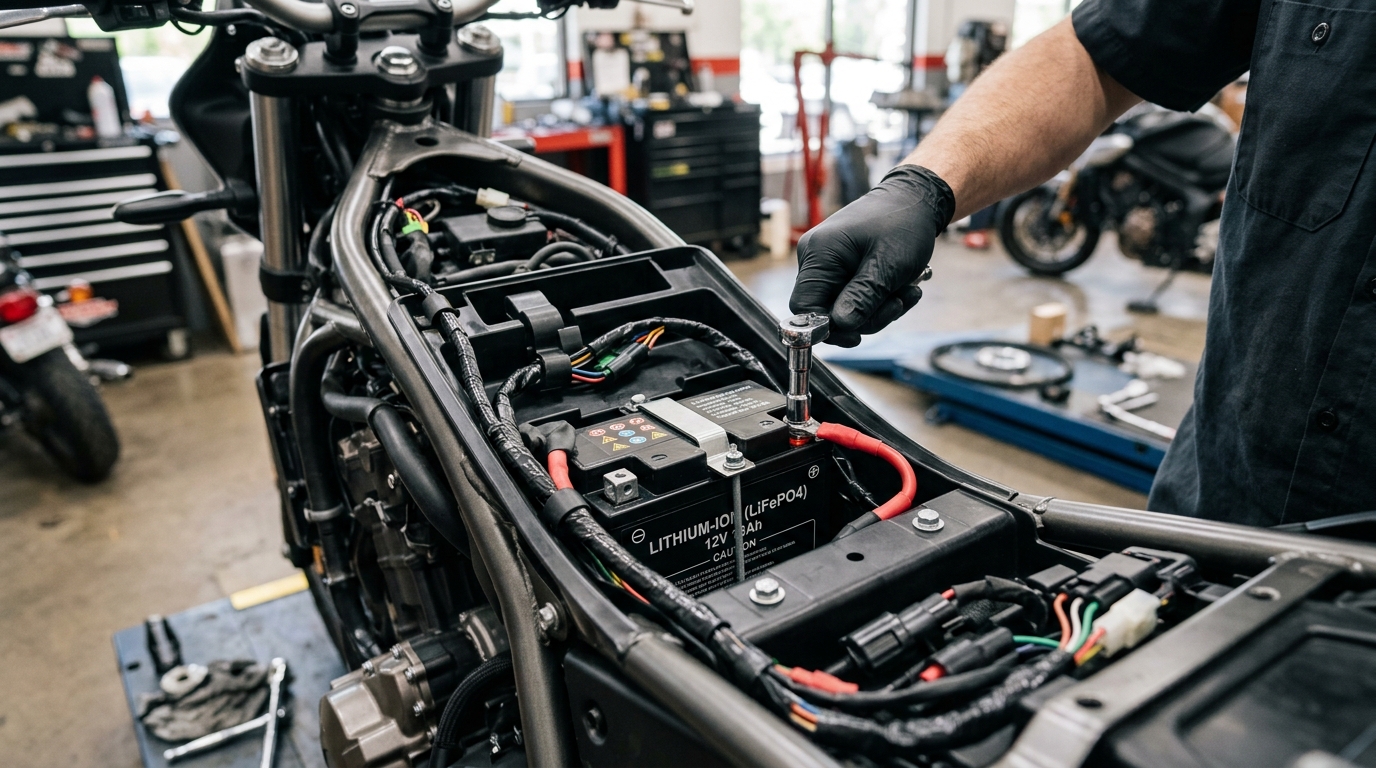
AGM batteries are a common choice for many motorcycles because they are reliable, familiar, and widely supported by standard charging systems. They are heavier than lithium batteries, but they are often more forgiving in everyday street use. They may also be less sensitive to cold starts, charging mistakes, and older electrical systems.
Lithium batteries, by comparison, are lighter and can provide strong starting performance when used properly. Many motorcycle lithium batteries also include built-in battery management systems, sometimes called BMS. A BMS can help protect against certain charging and discharge problems, but it does not make the battery indestructible. Riders still need to use the correct charger and avoid careless storage.
Weight Savings Matter, But Fitment Matters More
A lighter battery is useful only if the battery actually fits and works with the motorcycle. The case size, terminal position, cold cranking performance, charging voltage range, and manufacturer recommendations all matter. Some lithium batteries come with spacers because they are physically smaller than the original battery. That can work, but the battery still needs to be secured properly so vibration does not damage terminals or wiring.
Before upgrading, check the exact battery recommendation for your motorcycle. Do not choose only by physical size. A battery that fits in the tray may still be wrong for the bike’s electrical demand. This is especially true for motorcycles with aftermarket lighting, audio, heated gear, USB accessories, fuel tuning equipment, or race electronics.
Cold Starts Can Be Different With Lithium
Some lithium motorcycle batteries behave differently in cold weather. A rider may need to “wake up” the battery by turning on the lights briefly before starting. This can feel strange if you are used to AGM or lead-acid batteries. In warmer riding climates, this may not be a big issue. In colder areas or during winter storage, it can matter more.
If your motorcycle already struggles to start, do not assume a lithium battery will automatically solve the problem. Weak starting can come from poor grounds, charging system problems, starter issues, old wiring, bad connections, fuel problems, or tuning issues. Clifford Cycles’ motorcycle electrical diagnostics and repairs page is relevant because battery problems often connect with wiring, charging, lighting, and electrical diagnosis.
Charging a Lithium Motorcycle Battery the Right Way
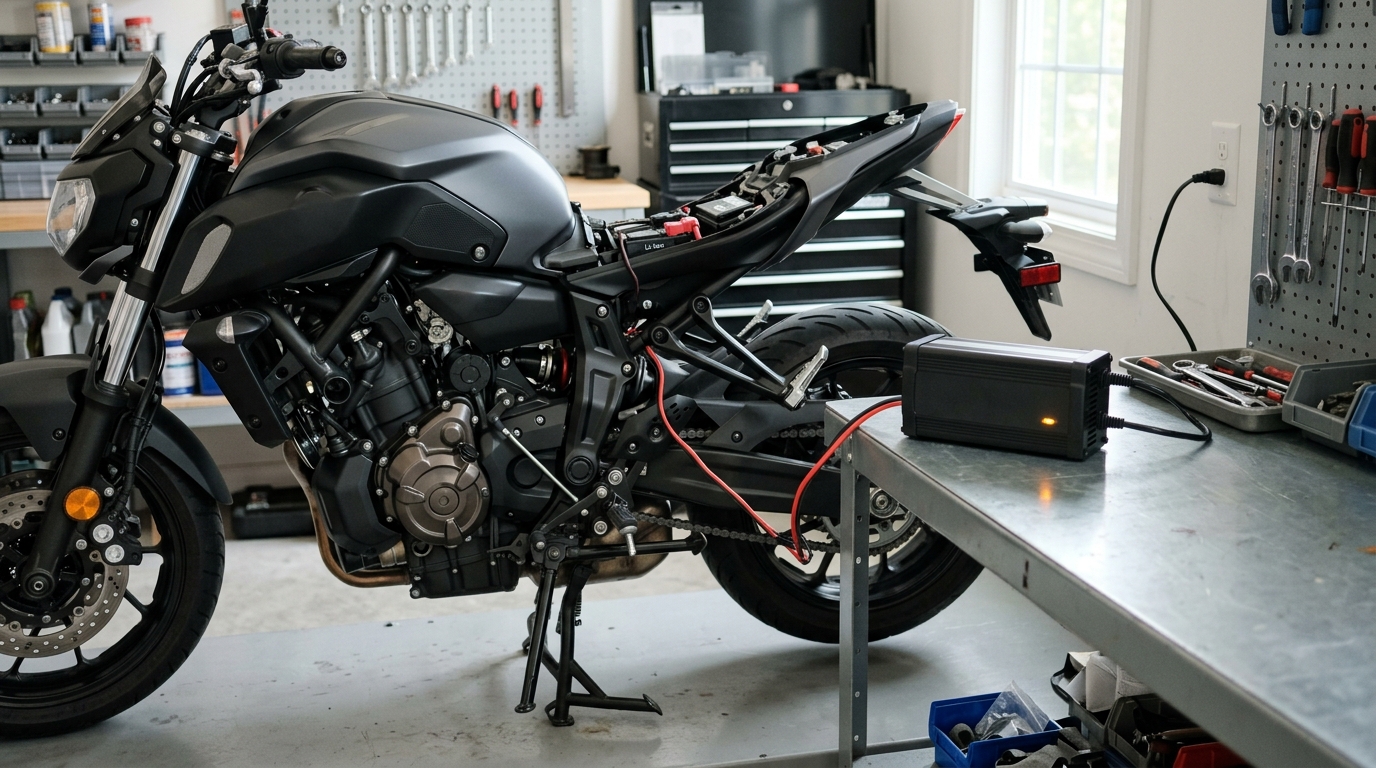
Charging is one of the biggest differences between lithium and older battery types. Many riders already own a battery tender or charger for lead-acid or AGM batteries. That does not automatically mean the charger is safe for lithium. Some chargers have modes that are not appropriate for lithium batteries, especially desulfation or reconditioning modes designed for lead-acid batteries.
A lithium battery should be charged with a charger that is approved for the battery chemistry and recommended by the battery manufacturer. If the battery maker says to use a lithium-compatible charger, follow that instruction. Guessing can get expensive. The wrong charger may damage the battery or reduce its life.
UL Solutions also recommends using only the charger provided by the manufacturer or one specifically designed for the device, and watching for warning signs such as heat, smoke, or bulging. That type of battery safety guidance is useful for riders because charging habits are part of long-term reliability.
Never Use the Wrong Charger Just Because It Plugs In
The fact that a charger connects to the battery does not mean it is the correct charger. Riders should check charger labels, battery instructions, and manufacturer recommendations. Avoid charging a lithium motorcycle battery with a charger that uses a desulfation mode unless the battery manufacturer clearly approves it. Also avoid cheap unknown chargers that do not clearly list compatibility.
Charging should be done in a safe location, away from flammable materials, and ideally where the rider can monitor the battery. If a battery becomes hot, swollen, smells unusual, leaks, smokes, or behaves strangely, stop using it and follow safety guidance. Do not ignore warning signs because lithium battery problems can become serious quickly.
How to Decide Whether a Lithium Battery Is Right for Your Motorcycle
Not every motorcycle needs a lithium battery. For some riders, AGM remains the better choice because it is simple, dependable, and compatible with the way they ride and store the bike. For other riders, lithium makes sense because weight savings, performance, and storage behavior are worth the extra care.
Start with how you actually use the motorcycle. A track bike, custom race build, or performance machine may benefit from lithium. A daily commuter with heated gear, short trips, and cold-morning starts may need a more careful evaluation. A vintage motorcycle with an older charging system may not be a good match without testing. A modern bike with sensitive electronics should be checked properly before adding a battery that changes the electrical behavior.
For motorcycles that already have fueling upgrades, ECU work, or performance modifications, battery stability matters even more. Clifford Cycles’ article on modern motorcycle tuning in 2026 is a useful internal link because tuning and electronics rely on a healthy electrical system.
When You Should Think Twice Before Upgrading
You should think twice before upgrading to lithium if your motorcycle has unresolved electrical problems. If the bike has weak charging output, flickering lights, repeated dead batteries, starting issues, blown fuses, or strange dashboard warnings, replacing the battery may only hide the real problem for a short time.
You should also be careful if your bike sits for long periods with accessories connected. Alarms, trackers, clocks, and electronics can create parasitic drain. A lithium battery that is deeply discharged may be harder to recover and may require specific charging procedures. In some cases, replacement may be the only safe option.
Clifford Cycles’ motorcycle services page is a strong internal link here because battery decisions often connect with full motorcycle maintenance, electrical service, parts, and performance setup. The best battery choice depends on the entire bike, not just the battery tray.
Storage Tips for Seasonal Riders
If you store your motorcycle for weeks or months, prepare the battery properly. Follow the battery manufacturer’s storage charge recommendation. Disconnect accessories that may drain power. Store the bike in a cool, dry place when possible. Check the battery periodically instead of forgetting about it until riding season returns.
Do not store a damaged lithium battery in the garage and hope it improves. If the case is swollen, cracked, leaking, unusually hot, or physically damaged, stop using it. Battery problems should be handled carefully and disposed of according to local rules. Do not throw lithium batteries in regular trash.
Lithium motorcycle batteries in 2026 can be a smart upgrade for the right rider and the right bike. They offer weight savings, strong performance, and convenient storage benefits. But they also require proper fitment, correct charging, safe storage, and a healthy motorcycle electrical system.
The best move is not to chase the trend blindly. Choose a battery that matches your motorcycle, your riding style, your climate, your accessories, and your maintenance habits. When in doubt, have the charging system, wiring, grounds, and battery setup checked before upgrading. A reliable motorcycle starts with a reliable electrical foundation.