E15 motorcycle fuel is getting more attention in 2026 because more riders may see E15 available at gas stations during the summer season. At first, that may sound like a normal fuel choice. It is not. Motorcycle owners need to slow down and check the pump label before filling the tank.
E15 contains 15% ethanol and 85% gasoline. That higher ethanol blend may work for some newer cars and light-duty vehicles. It does not belong in motorcycles. The U.S. Environmental Protection Agency says E15 cannot be used in on-highway or nonroad motorcycles.
For riders, this matters because fuel choice affects performance, starting, throttle response, fuel lines, seals, injectors, carburetors, and long-term engine health. A simple mistake at the pump can turn into rough running, poor performance, or a service visit.
At Clifford Cycles, motorcycle service, fuel injection tuning, engine work, dyno testing, and parts support all connect to one clear goal: keeping your ride strong, reliable, and ready for the road or track. This guide explains why E15 motorcycle fuel matters and what riders should do before the next fill-up.
Why E15 Motorcycle Fuel Is Trending Right Now
E15 is trending because fuel policy and pump availability continue to change. In 2026, the EPA announced a temporary emergency fuel waiver that helps keep E15 available during the summer driving season. That may increase the chance that riders see E15 beside regular gasoline at more stations.
The problem is simple. More availability can create more confusion. A rider in a hurry may grab the wrong nozzle or choose the cheapest option without reading the label. That mistake can matter, especially on motorcycles with sensitive fuel systems or performance tuning.
Motorcycles do not have the same fuel approvals as many modern cars. A motorcycle engine also uses a smaller fuel system. That means fuel quality, ethanol content, storage habits, and tuning condition can show up quickly in how the bike starts, idles, and pulls under throttle.
What E15 means at the pump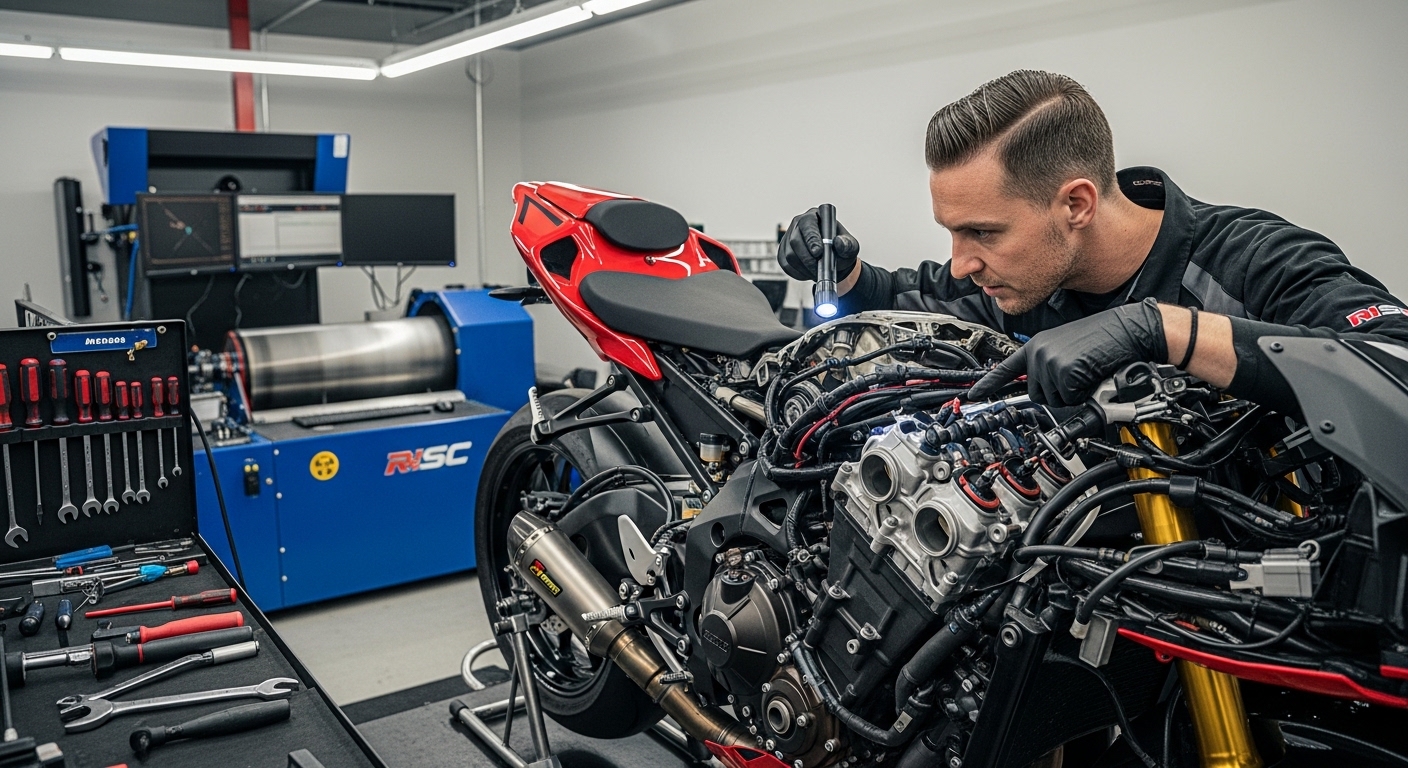
E15 means the fuel contains up to 15% ethanol. Many riders already use E10 because most gasoline in the United States contains up to 10% ethanol. That does not make E15 the same thing.
The extra ethanol changes the fuel blend. Ethanol attracts moisture. It can also affect some rubber, plastic, and metal parts over time. Older motorcycles, carbureted bikes, race bikes, and machines that sit for long periods may face more problems.
Even if a motorcycle runs after the wrong fuel, that does not mean the fuel is safe for the system. A bike may start normally, then show problems later. The symptoms may appear after storage, heat, hard riding, or repeated fill-ups.
Why motorcycles should avoid E15
Motorcycles should avoid E15 because EPA guidance does not approve it for motorcycle use. Riders should treat the pump label seriously. If the label says E15, choose another fuel.
A higher ethanol blend may affect fuel hoses, seals, O-rings, injectors, carburetor parts, and internal fuel tank components. It may also lean out the fuel mixture on some bikes. A lean condition can increase heat and hurt performance.
Modern fuel-injected motorcycles may adjust within a limited range. That does not mean every bike can safely handle E15. A tuned motorcycle needs even more care because changes in fuel can affect air-fuel ratio, throttle response, and power delivery.
Common signs of wrong fuel or ethanol-related problems
Riders should watch for changes after fueling. Common warning signs include hard starting, rough idle, hesitation, popping, weak throttle response, poor fuel economy, or stalling. Some bikes may also smell different from the exhaust.
Fuel system problems may not appear right away. Ethanol can pull moisture into the fuel over time. That can create corrosion, varnish, injector deposits, and carburetor issues. Bikes that sit between rides may suffer more than daily riders.
If the bike feels different after a fuel stop, do not ignore it. Stop riding if the problem feels serious. Make a note of where you filled up, what grade you used, and how much fuel went into the tank. That information can help during inspection.
How Riders Can Protect Their Motorcycle Fuel System
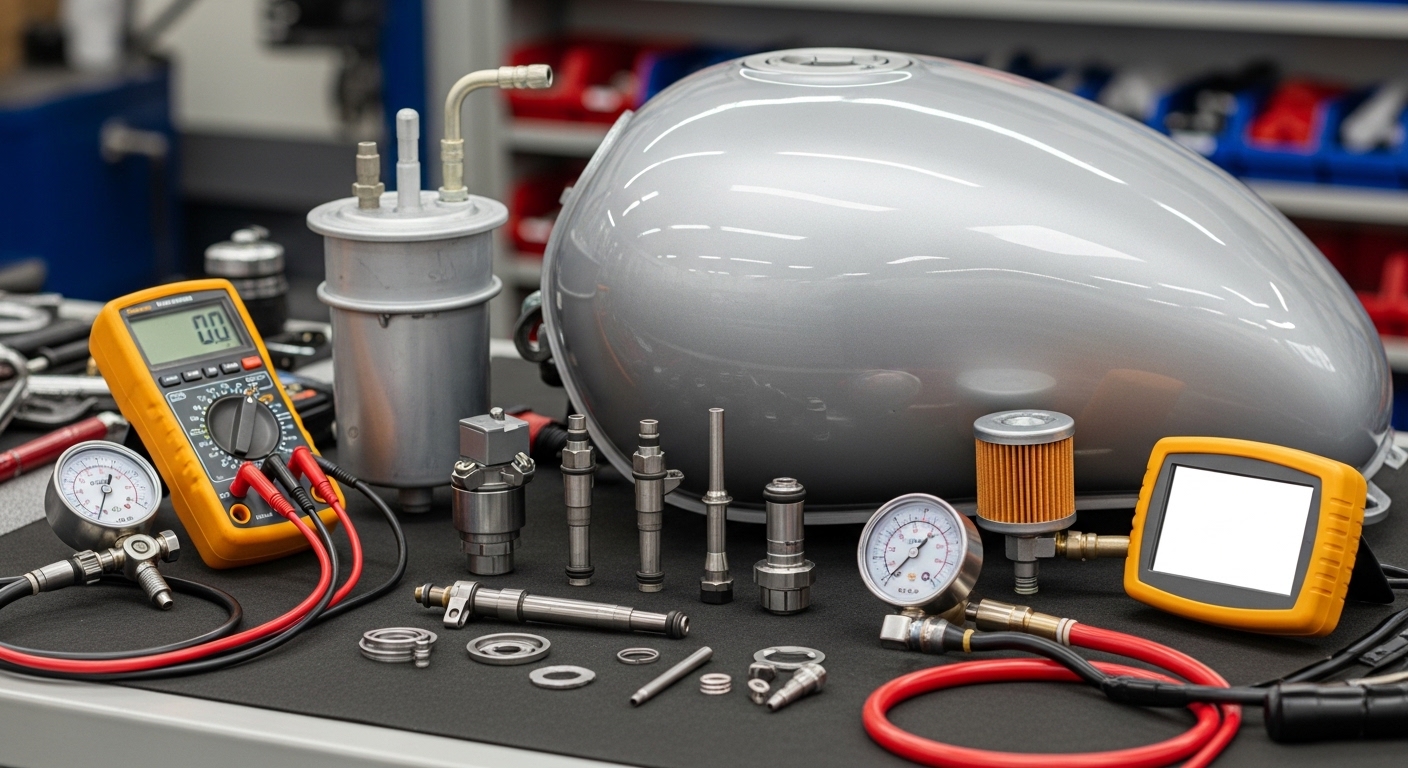
The best move is prevention. Read the pump label before every fill-up. Look for gasoline approved for your motorcycle. Check your owner’s manual if you are unsure. When in doubt, avoid E15 and choose a fuel that matches the manufacturer’s guidance.
Riders should also think about storage. A motorcycle that sits for weeks or months needs better fuel habits than a bike that runs every day. Old fuel can break down. Moisture can build up. Small fuel passages can clog.
For performance bikes, micro sprint applications, and custom setups, fuel quality matters even more. Clifford Cycles works with fuel systems, engine performance, and dyno tuning. That makes proper fuel choice a key part of keeping the machine consistent.
Fuel system checks that matter
A good fuel system check starts with the basics. Inspect the fuel tank, fuel lines, clamps, filter, injectors, carburetor parts, and pump condition. Look for cracking, swelling, leaks, rust, dirt, or weak flow.
Fuel filters deserve attention. A restricted filter can reduce fuel delivery. That can cause hesitation, weak acceleration, and poor top-end performance. On a tuned engine, fuel restriction can create bigger problems.
Injectors also need clean fuel and proper flow. Dirty injectors can create uneven spray patterns. That can hurt throttle response and make the engine run rough. Carbureted bikes need clean jets, clean bowls, and proper float operation.
If your motorcycle has fuel delivery issues, Clifford Cycles’ Fuel Systems page is a natural place to start. The shop supports fuel injection tuning, cleaning, filters, pumps, regulators, and related parts.
When fuel injection tuning or cleaning can help
Fuel injection tuning can help when the bike needs smoother throttle response, better drivability, or a cleaner air-fuel ratio. It can also help after engine, exhaust, intake, or performance changes.
Cleaning may help when deposits reduce injector flow or create rough running. A technician can inspect the system and decide whether the issue points to fuel quality, tuning, electrical faults, mechanical wear, or another cause.
Do not guess with performance problems. Guessing can waste money and time. A proper inspection can separate a fuel issue from an ignition issue, charging issue, sensor issue, or engine problem.
For broader service needs, riders can visit the Motorcycle Services page. Clifford Cycles supports all makes service, dyno tuning, fuel injection tuning, parts sales, and machine shop work.
Pre-ride habits for safer spring and summer riding
Fuel choice is only one part of safe riding. Before each ride, check tire pressure, tread depth, brakes, lights, signals, and fluid levels. Also look under the bike for oil or fuel leaks.
These simple checks can catch problems early. Low tire pressure can affect handling. Worn tread can reduce grip. Weak brakes can increase stopping distance. Low fluid levels can point to leaks or neglected maintenance.
If you plan to carry a passenger or cargo, adjust the bike properly. Extra weight changes handling, braking, and suspension feel. Tire pressure and suspension setup matter more when the load changes.
Riders preparing for longer trips should also check the battery, charging system, chain or belt, fasteners, and cooling system. For electrical concerns, Clifford Cycles’ Electrical service page can support diagnostics and repairs. For deeper performance work, the Engine page covers engine maintenance and builds.
Final thoughts
E15 motorcycle fuel is not a small detail. It can affect performance, reliability, and fuel system health. Riders should read pump labels and avoid E15 unless their motorcycle manufacturer clearly says otherwise.
The safest habit is simple. Check the label before fueling. Use the right gasoline. Keep the fuel system clean. Fix rough running early. Do not wait until a small issue turns into a bigger repair.
For official guidance, riders can review the EPA E15 Fuel Registration page. It explains what E15 is and which vehicles cannot use it.
Whether you ride daily, race, tune, or store your bike between weekends, fuel choice matters. Clifford Cycles helps riders protect performance with expert service, fuel system support, engine work, and practical advice for real-world riding.