Most riders think about maintenance in terms of oil changes, tires, chains, brakes, and battery health. That makes sense because those are the things you can usually see, feel, or hear when something starts going wrong. But there is another issue that too many riders miss until it becomes a real problem: open recalls.
A recall is not just paperwork. It is a warning that a manufacturer or safety regulator found a defect or noncompliance serious enough to require action. That can involve braking performance, switchgear, fasteners, wiring, or another component that affects how safely the bike operates. If you are riding with an open recall and do not know it, you are gambling for no good reason.
That is why checking recalls by VIN matters. Your exact motorcycle may be affected even if another bike with the same badge is not. Searching by year and model is useful for general research, but a VIN-based check is the smarter move because it tells you whether your specific motorcycle has an open safety recall tied to it.
Why Recall Checks Matter More Than Most Riders Realize
A lot of riders assume they would already know if their bike had a recall. That is not always true. Maybe you bought the motorcycle used. Maybe ownership records were not updated properly. Maybe you ignored a notice. Maybe the recall was announced after the bike changed hands. Whatever the reason, riders miss recalls all the time.
The problem is that recall issues are rarely cosmetic. They usually involve safety. If a part can loosen, fail, malfunction, or stop performing the way it should, it can directly affect rider control. That is not something to shrug off and “get to later.”
Used-bike buyers are especially at risk
If you bought your motorcycle used, recall checks should be automatic. A clean-looking bike can still have an unresolved recall. The seller may not know. The dealer may not have checked. The previous owner may have ignored the notice. A used motorcycle can feel perfectly fine during a short test ride and still carry a serious open campaign.
Do not confuse “runs fine” with “safe enough”
This is where riders get lazy. A motorcycle can start, idle, and ride normally while still having a component problem that falls under a recall. Some defects only show up under stress, over time, or in the wrong situation.
What a VIN Check Actually Tells You
A VIN-based recall search helps you look up your specific motorcycle instead of guessing from general model information. That matters because not every bike in a lineup is always affected the same way. Production dates, part batches, manufacturing locations, or supplier differences can all matter.
When you run a proper VIN search, you are not just looking for broad headlines. You are checking whether your exact bike is flagged for an open recall and what the remedy process looks like.
Why VIN is better than just searching the model name
- it narrows the result to your specific bike
- it reduces confusion about model years and trims
- it helps confirm whether the recall is still open
- it gives you clearer next steps for repair or follow-up
That is a much better approach than typing your bike model into a search engine and hoping the results are accurate.
Common Motorcycle Problems That End Up in Recalls
Riders tend to imagine recalls as rare, dramatic failures. Sometimes they are dramatic. More often, they involve something more technical but still dangerous. The issue may sound small until you realize how much it affects control, stopping, or reliability.
Examples of the kinds of defects riders should take seriously
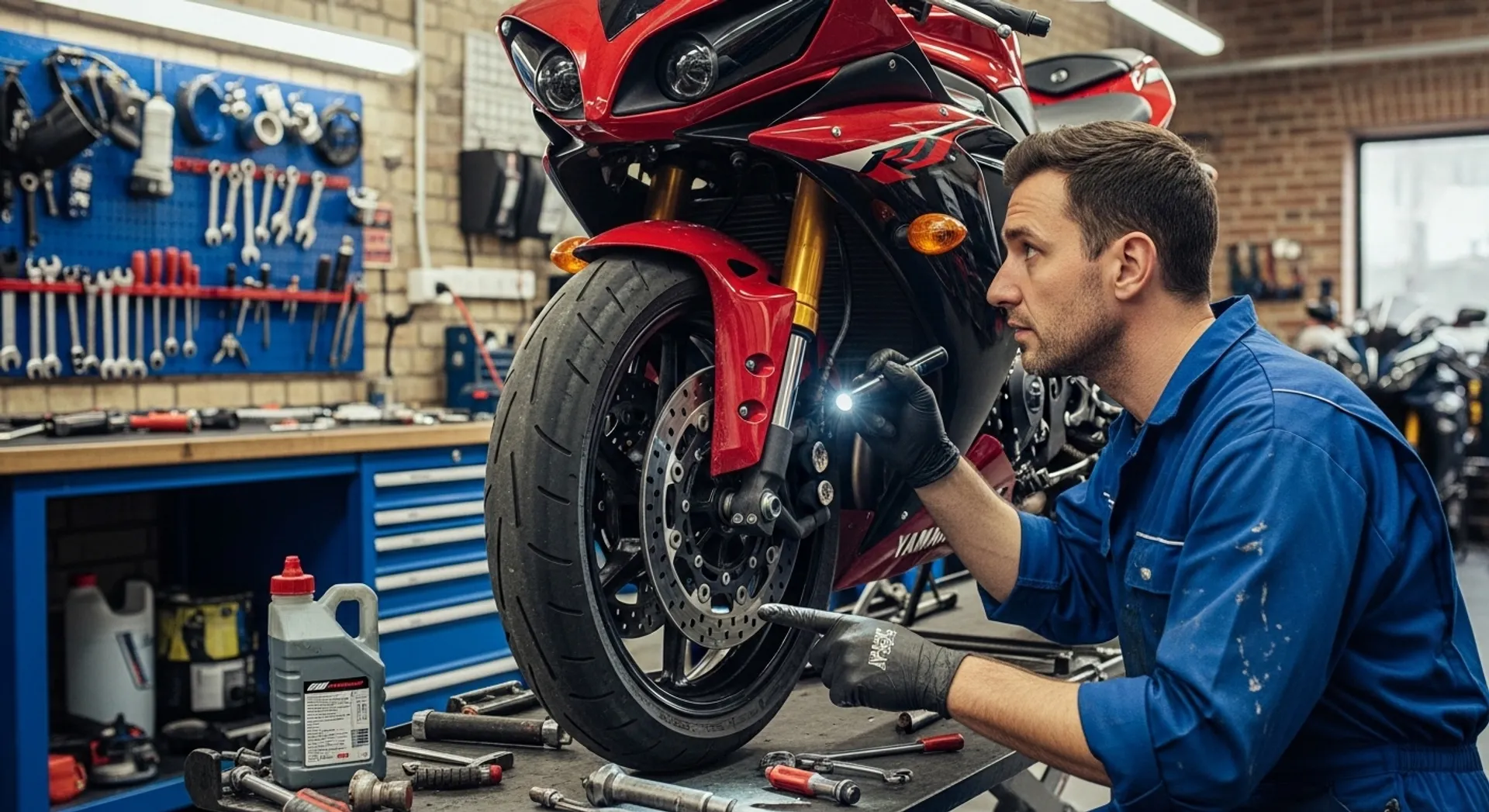
- brake-system noncompliance or reduced stopping performance
- handlebar or steering-related fastener issues
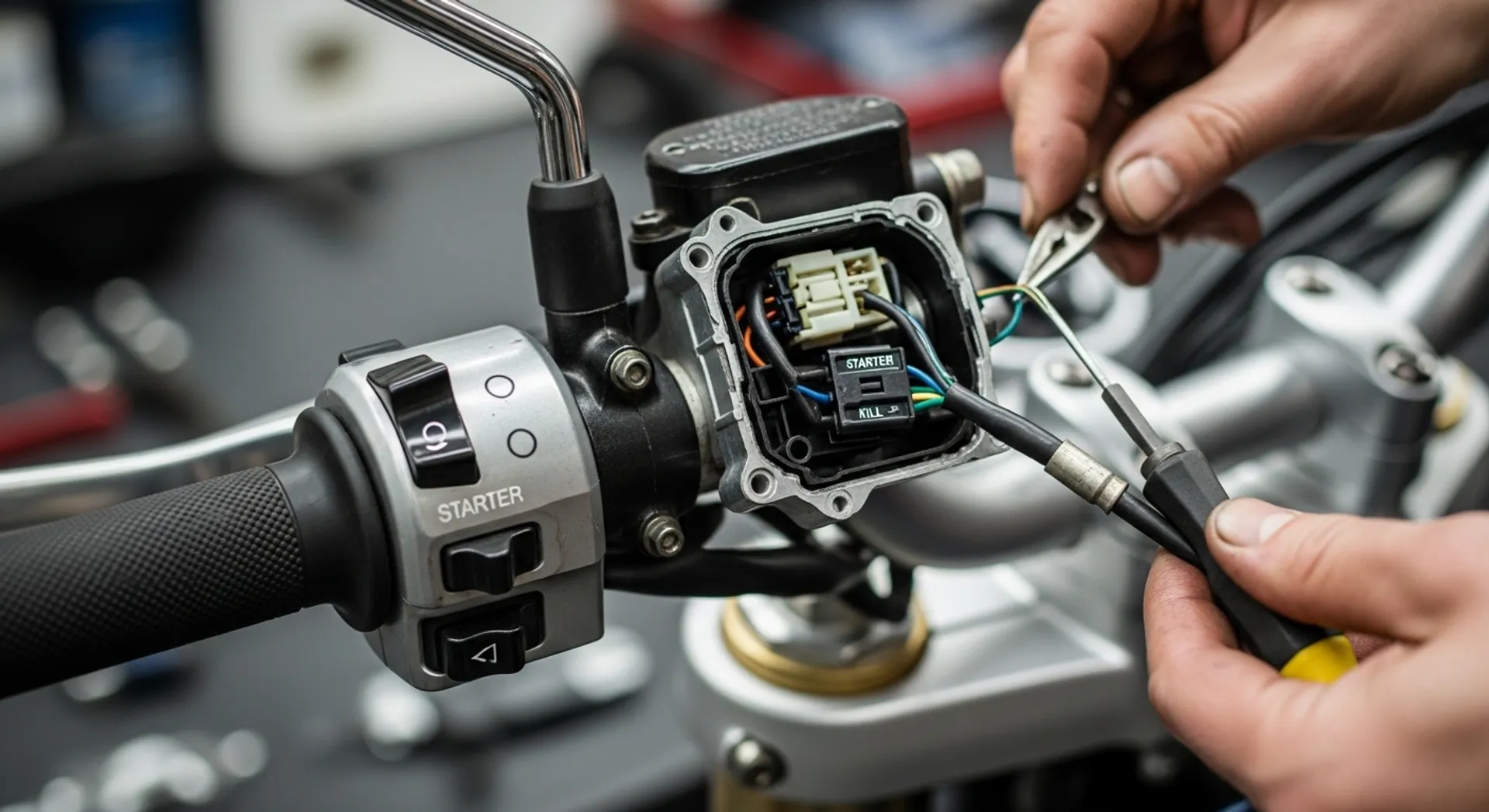
- switchgear failures that affect rider input
- wiring or electrical faults
- throttle-related component issues
- defective safety equipment linked to the motorcycle
This is why a recall check belongs in the same category as inspecting tires or brakes. It is basic risk management, not overthinking.
When Riders Should Check for Recalls
Most riders only check for recalls when they hear about a major headline. That is backward. You should build recall checks into normal ownership habits.
Smart times to run a recall check
- before buying a used motorcycle
- at the start of riding season
- before a long trip or event weekend
- after getting a manufacturer notice
- before paying for major service work
If your motorcycle is already in the shop for brakes, electrical diagnosis, engine work, or general inspection, that is also a smart time to ask about open recalls.
Why it matters before paid service
No one likes paying out of pocket for work that overlaps with a recall campaign. A quick recall check before scheduling major repair work can save money, time, and frustration.
How This Fits Naturally with Clifford Cycles Services
This topic works well for Clifford Cycles because it connects directly to the kind of real-world service riders already need. If a recall issue overlaps with how the bike feels or performs, many riders first notice it during routine maintenance or diagnosis.
Internal links that fit naturally in this post include:
- Motorcycles Services
- Electrical
- Engine
- Wheels
- Choosing the Right Motorcycle Chain and Sprockets for Peak Performance
Those links make sense because riders checking for recalls are often also the same riders dealing with handling concerns, brake feel, electrical issues, or general seasonal inspection work.
Why Riders Ignore Recalls Even When They Should Not
Some riders ignore recalls because the bike still feels normal. Some assume they will get to it later. Some do not trust that the issue is serious. Others simply never check at all. The problem is that recall risk does not care whether the owner feels motivated this week.
Ignoring a recall is just a bad trade. The upside is basically nothing. The downside can be a breakdown, a crash risk, or paying for service while missing a known safety campaign tied to your bike.
The smarter ownership mindset
Good motorcycle ownership is not just about performance upgrades and appearance. It is about catching problems before they bite you. A recall check takes minutes. That is one of the highest-value low-effort things a rider can do.
What To Do If You Find an Open Recall
First, do not panic. An open recall does not automatically mean your bike is unsafe to move one foot. But it does mean the issue is serious enough that you should stop brushing it off.
Practical next steps
- save the recall details for your records
- confirm the affected component and campaign number
- contact the appropriate dealer or manufacturer channel
- avoid unnecessary delay if the issue affects control or braking
- mention the recall if you are also booking service or diagnostics
If the bike is also showing symptoms like poor braking, electrical weirdness, warning lights, or inconsistent controls, that should move the issue higher on your list fast.
Final Thoughts
Checking motorcycle recalls by VIN is one of the easiest ways to protect yourself without spending money, buying parts, or guessing at problems. It is quick, specific, and directly tied to rider safety.
For 2026, the smart move is simple: stop assuming your bike is fine just because it runs. Run the VIN check, know where your motorcycle stands, and handle open recalls before they turn into something bigger.
For riders who already plan seasonal service, diagnostics, or performance work, a recall check is not extra effort. It is just part of owning the bike properly.
For an official reference, use the NHTSA recall lookup tool.