Fuel choice sounds simple until it is not. Most riders just want to pull into a gas station, fill up, and get back on the road. But in 2026, E15 fuel is back in the spotlight, and that makes fuel selection more important than a lot of riders realize. If you own a street bike, track bike, or performance motorcycle, this is not a topic to ignore.
E15 is gasoline blended with 15% ethanol. It has been part of larger fuel policy discussions for years, but the big reason it matters right now is that the EPA announced another waiver to keep E15 available during the 2026 summer driving season. That may sound like a policy issue for cars and fuel retailers, but it creates a practical issue for motorcycle owners because motorcycles are not part of the approved vehicle group for E15 use.
That gap is where riders can get burned. A fuel option may be more available at the pump, more visible in summer, and sometimes cheaper, but that does not mean it belongs in your motorcycle. If your bike is built for precision, power delivery, throttle response, and long-term reliability, the wrong fuel choice can create problems you do not want.
What Is E15 Fuel and Why Is It in the News Again?
E15 is a gasoline blend containing 15% ethanol. In simple terms, it has more ethanol than the E10 fuel many riders are already used to seeing. The reason it is back in the news is because federal regulators moved again in 2026 to keep E15 available through the summer in order to support fuel supply and consumer options.
That bigger fuel-policy discussion may matter to the automotive market, but riders need to focus on the practical issue: motorcycle engines were not the target use case. If you own a bike, the key question is not whether E15 is being sold. The key question is whether your motorcycle should use it.
Why riders get confused at the pump
Fuel decisions are often made fast. A rider may be traveling, low on fuel, or at a station with several options on the same island. When E15 becomes more visible, the risk of misfueling naturally goes up. That is especially true if the rider is focused on octane numbers, price, or convenience and does not stop to look at the actual ethanol content.
The main problem
The main problem is simple: more pump visibility does not equal motorcycle approval. Just because a fuel blend is sold more widely does not mean it is safe or recommended for every engine type.
Why E15 Is a Bigger Deal for Motorcycles Than Many Riders Think
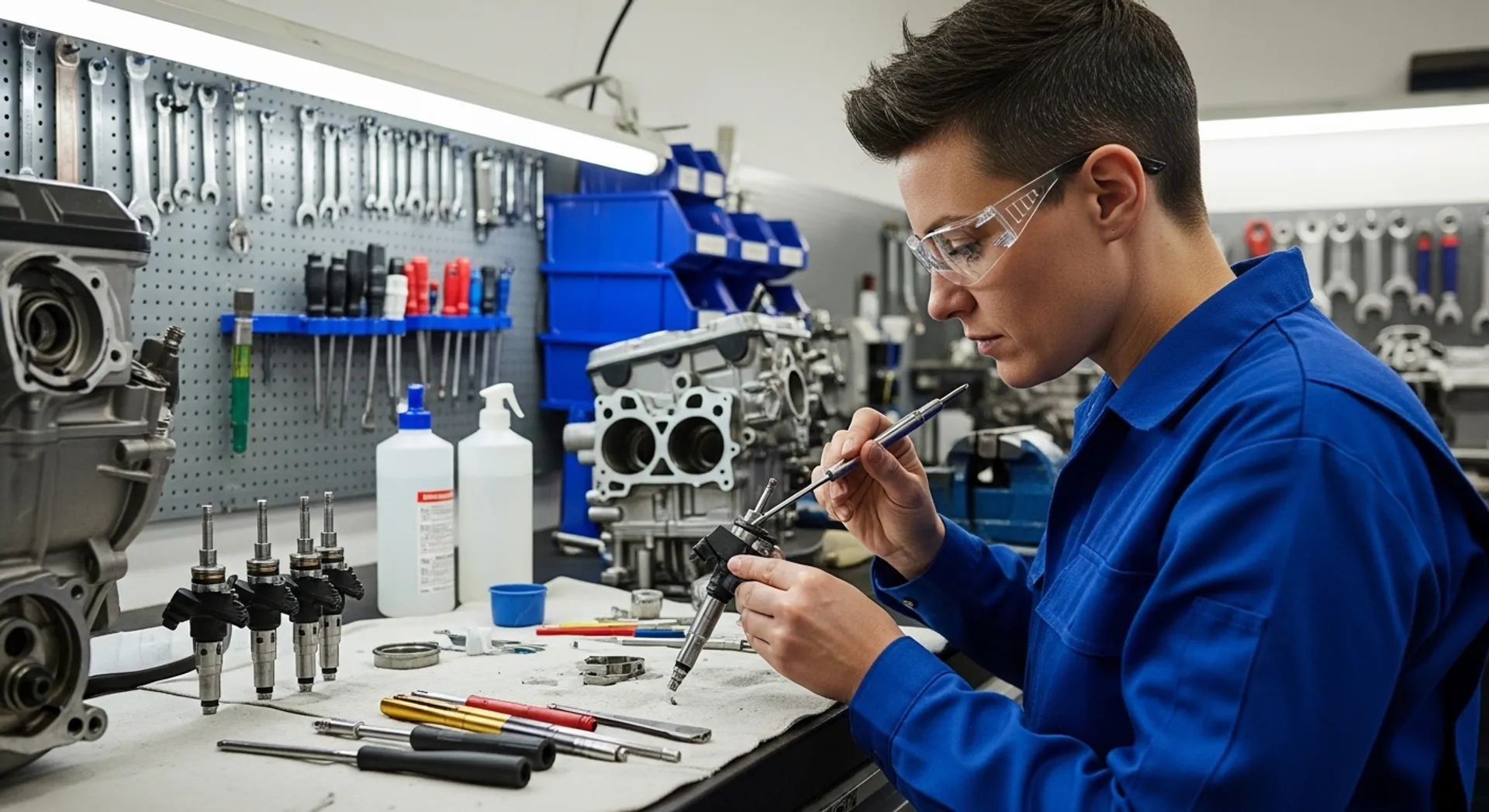
Motorcycles are not just smaller cars. They have different fuel-system designs, different engine operating conditions, and different tolerance levels when it comes to fuel compatibility. Performance bikes in particular rely on clean combustion, stable fueling, and predictable throttle response. That is why fuel quality matters more than riders sometimes admit.
Ethanol itself is not a mystery. Riders have dealt with ethanol-blended fuels for years. The issue is the percentage, the compatibility of the system, and the long-term effect on components that were not designed for that blend level. Fuel pumps, injectors, seals, lines, and tuning consistency can all be affected if the fuel is not appropriate for the bike.
Common risks riders worry about
- rough idle or inconsistent throttle response
- hard starting after the bike sits
- fuel-system contamination or moisture issues
- degraded hoses, seals, or other rubber components
- reduced performance consistency in tuned engines
- possible warranty concerns depending on manufacturer guidance
Not every problem appears instantly, and that is exactly why riders underestimate the risk. A fuel mistake may not blow up your engine on the spot. Instead, it may slowly create drivability issues, storage problems, or fuel-system wear that becomes expensive later.
How Fuel Choice Affects Performance, Not Just Reliability
Most riders think about fuel in terms of avoiding damage. That is fair, but it is not the full story. Fuel choice also affects how the bike feels. If your motorcycle has been tuned correctly, if your injectors are clean, and if the fuel system is working as it should, the bike will usually respond sharply and predictably. Bad or inappropriate fuel throws that off.
That matters even more for riders who care about precise response. Street riders notice it when the bike feels flat or inconsistent. Performance riders notice it even faster because small changes in fueling can affect how confidently the bike drives out of corners, responds on throttle, or holds clean power under load.
Why tuned bikes are less forgiving
A bike with stock mapping may already be sensitive. A bike that has been modified, tuned, or set up for stronger performance can be even less forgiving when the fuel quality or ethanol content is not what the system expects. That does not mean performance work is risky. It means consistency matters.
Fuel system health is part of performance
Many riders chase horsepower and forget the base system. If the fuel system is dirty, the injectors are not flowing correctly, or the bike has been sitting with questionable fuel, the result is often wasted performance. Before chasing exotic upgrades, get the fundamentals right.
What Smart Riders Should Actually Do in 2026
Do not overcomplicate it. The goal is not to become a fuel chemist. The goal is to avoid bad decisions that can create preventable problems.
1. Read the pump carefully
Do not assume every gasoline option is suitable for your bike. Check the label, check the ethanol content, and make sure you know what you are putting in the tank.
2. Follow your owner’s manual and manufacturer guidance
This is still the cleanest starting point. Your motorcycle manufacturer knows what the system was designed to handle.
3. Pay attention to how the bike behaves
If your bike suddenly starts idling poorly, hesitating, or showing inconsistent response after fueling, do not brush it off. Catching a fuel-related issue early is cheaper than waiting.
4. Treat storage seriously
Bikes that sit are often the first to show fuel-system problems. If you park your bike for stretches of time, stale or problematic fuel gets more dangerous, not less.
When It Is Time for Professional Fuel-System Service
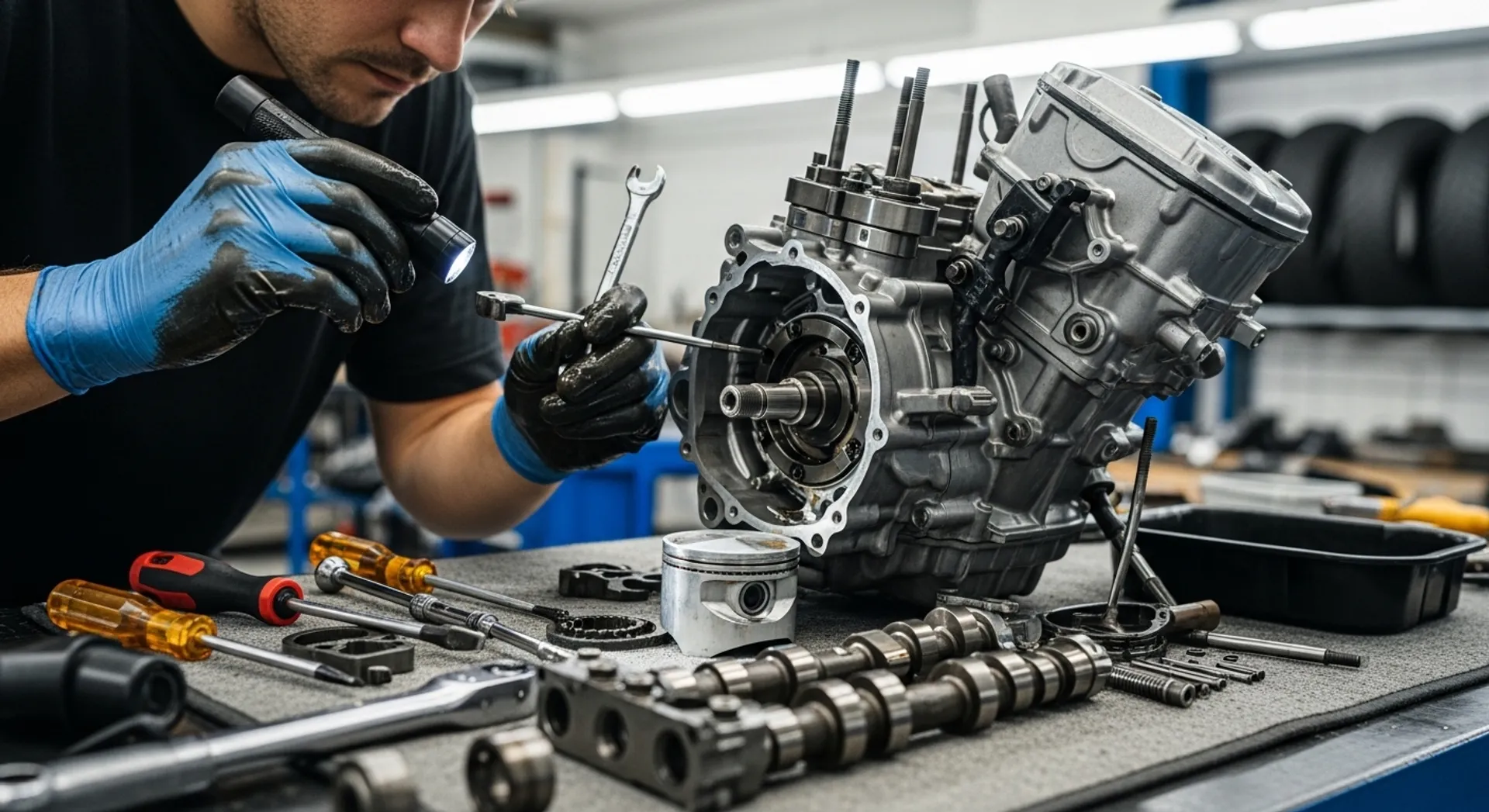
If the bike is running rough, starting hard, or feeling off after repeated fuel stops, it is time to stop guessing. The right shop can inspect the fuel system, clean injectors, check components, and make sure the bike is set up correctly for reliable performance.
This is where Clifford Cycles already has natural authority on-site. You can internally link this post to the Fuel Systems page, the Engine page, and the broader Motorcycles Services page.
You can also connect this topic to existing blog content like Choosing the Right Motorcycle Chain and Sprockets for Peak Performance and Ceramic Bearings vs. Steel Bearings. That helps build a stronger performance cluster instead of leaving this as a one-off fuel article.
Why This Topic Is Worth Publishing Right Now
This is timely because riders are going to see E15 discussed more often during the 2026 season. The worst time to educate a rider is after they already used the wrong fuel. Publishing this now gives Clifford Cycles a chance to capture people searching for clear answers while also funneling them toward real services like fuel-system inspection, tuning, and engine support.
It also works because it meets both audiences on the site. Everyday riders need simple fuel guidance. Performance riders need to understand why fuel consistency matters for tuned machines. One post can serve both without feeling generic.
Final Thoughts
The 2026 E15 news matters because it increases visibility of a fuel blend that motorcycles are generally not meant to use. For riders, the takeaway is straightforward: do not confuse availability with compatibility.
If you care about reliability, throttle response, and long-term performance, fuel choice still matters. A strong bike starts with the basics done right. That means using the proper fuel, paying attention to how the bike runs, and fixing fuel-system issues before they become expensive engine problems.
If your motorcycle is running rough, has been sitting, or simply does not feel right, this is the kind of issue worth checking before it turns into something bigger.
For official background, see the EPA’s 2026 E15 waiver announcement and the Motorcycle Industry Council information on E15 and motorcycles.