If your motorcycle has been sitting through the winter, now is the time to stop assuming it is ready and start checking the parts that actually decide whether your first ride is smooth, frustrating, or dangerous. Every spring, riders get excited about warmer weather, longer days, and the chance to get back on the road. The problem is that a bike coming out of storage can hide issues you will not notice until you are already miles from home.
That is why spring motorcycle maintenance matters. A proper setup is not just about safety. It is also about throttle response, braking confidence, tire grip, handling, fuel delivery, and the overall feel of the bike once you start riding again. For street riders, that means dependable weekend rides and stress-free commuting. For performance riders, it means getting the motorcycle ready to respond the way it should when the pace picks up.
Start With a Full Visual Inspection
A smart spring prep routine starts with the basics and works its way toward performance. Before doing anything else, walk around the bike and look for obvious issues. Check for leaks under the bike, cracked hoses, loose fasteners, corroded terminals, rubbing wires, damaged tread, and signs that moisture or storage conditions caused trouble while the bike was parked.
A few minutes of inspection can save you from bigger repairs later. Many riders focus on starting the engine and hearing it run, but a motorcycle can idle in the garage and still be unfit for the road. The goal is not just to make it run. The goal is to make sure it runs correctly, feels stable, and stays dependable once real riding begins.
Inspect Tires and Wheels First
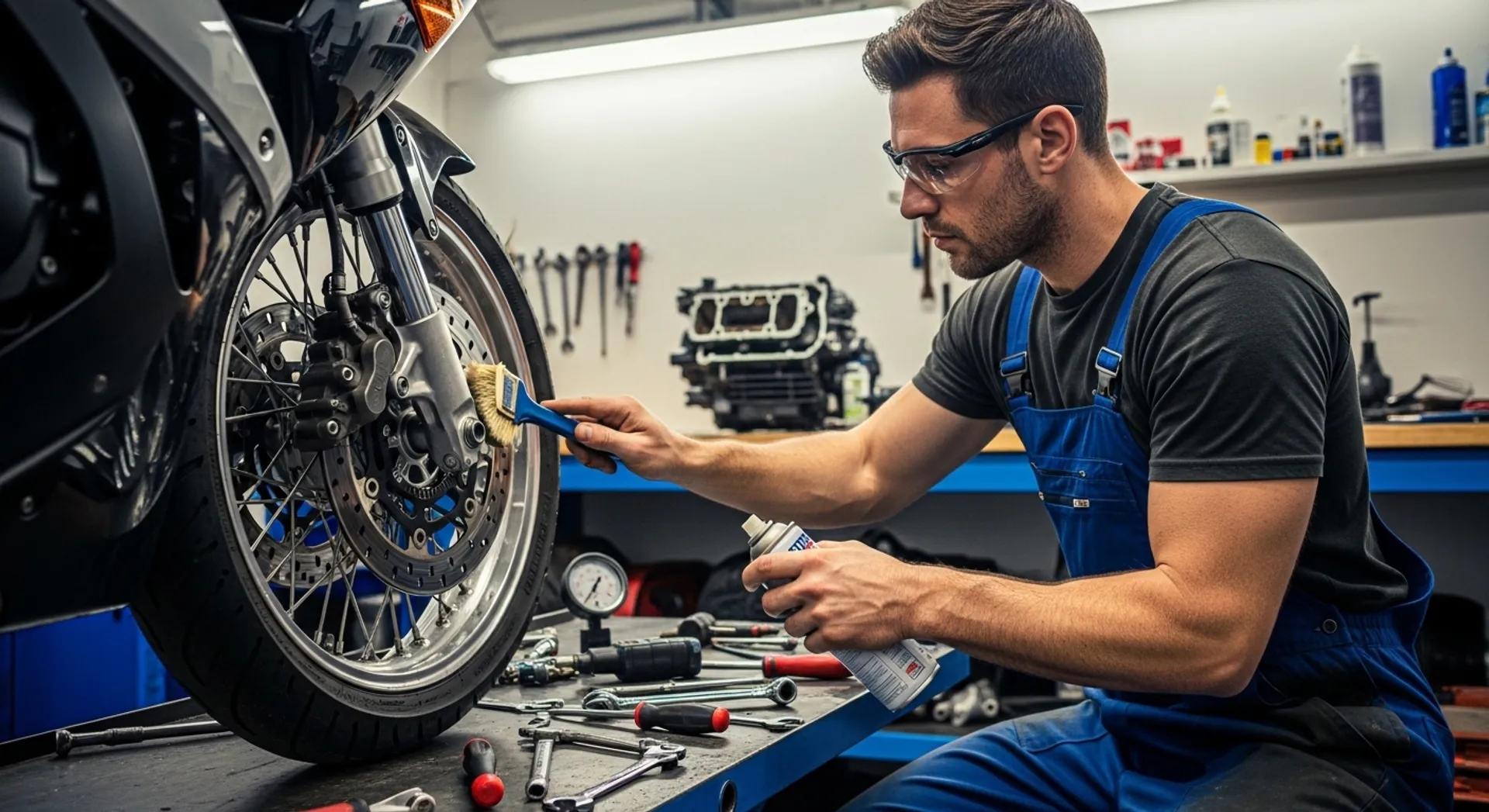
The first area to inspect is tires and wheels. Tires lose pressure while a bike sits, and rubber ages whether you ride or not. Look closely for uneven wear, flat spots, sidewall cracking, embedded debris, or signs the tire has hardened with age. Then check wheel condition, valve stems, and bearing smoothness.
If the bike feels vague in corners, unstable at speed, or rough on imperfect pavement, tires and wheel condition should be near the top of your list. A lot of spring handling complaints start with worn or neglected wheel and tire components, not with the suspension.
If you need help getting that sorted, Clifford Cycles offers wheel maintenance and tire service, making this one of the easiest areas to address before the riding season gets busy.
Check the Fuel System Before It Becomes a Problem
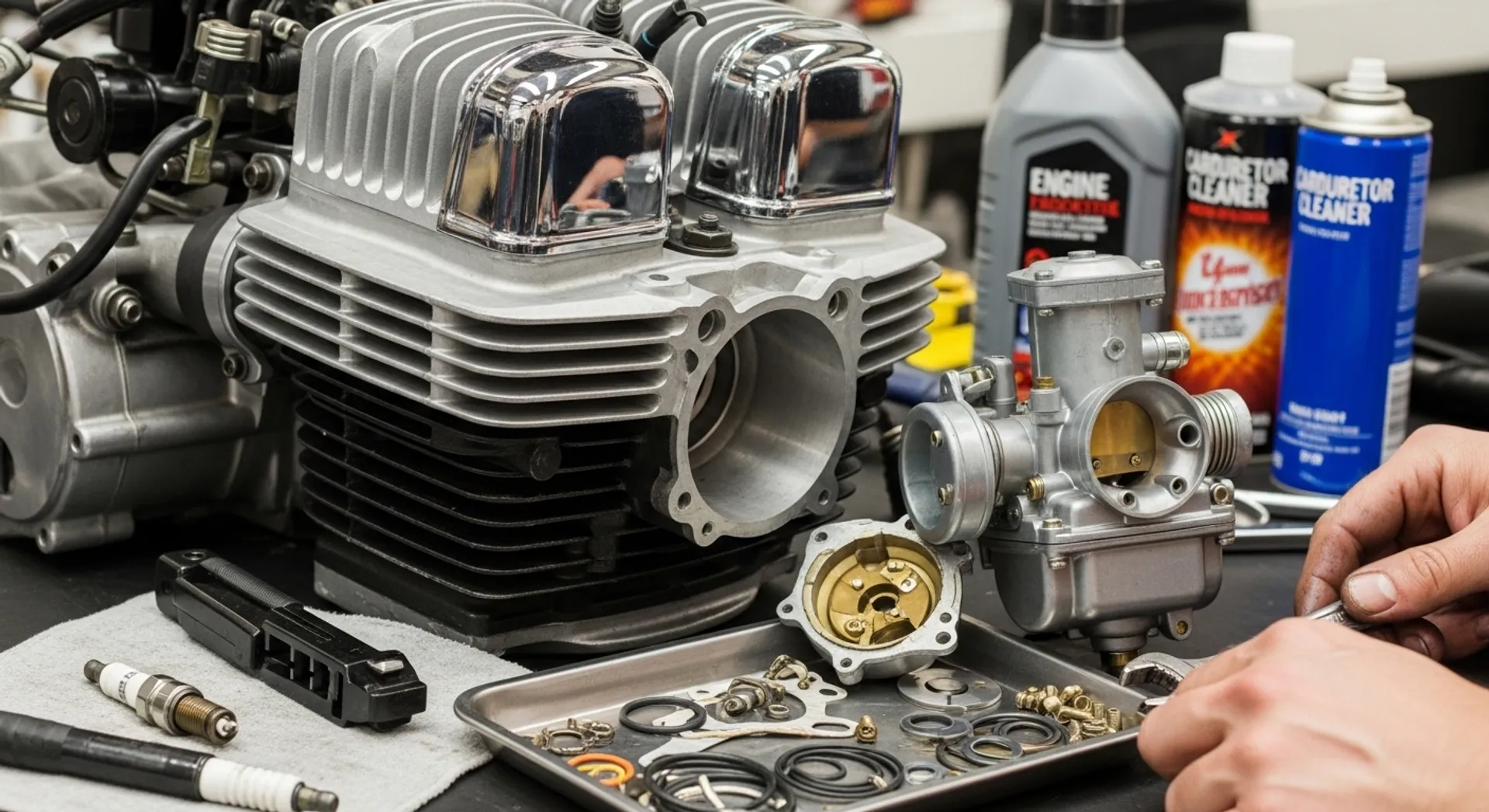
The fuel system is where many spring ride problems begin. Old fuel can leave deposits that affect injectors, throttle response, and cold starts. A bike that cranks too long, idles rough, hesitates under load, or feels inconsistent through the midrange may not need a major repair. It may simply need the fuel system cleaned, tested, and tuned correctly.
That is why fuel injection tuning and injector service become especially important after storage. On modern motorcycles, smooth fueling is not optional. It is the foundation for both reliability and performance. Riders often chase other causes when poor fuel delivery is really the issue behind weak response or an engine that just does not feel right.
Spring is also a good time to look at air filters, intake condition, and anything else that affects how consistently the bike breathes. Even a small fueling issue can make a properly built motorcycle feel lazy.
Battery, Charging System, and Electrical Checks Matter More Than People Think
Electrical issues tend to show up fast in spring. Batteries weaken in storage, connectors corrode, and small wiring faults that seemed harmless last season can turn into no-start problems now. Test the battery, confirm charging voltage, and make sure your lights, signals, horn, and switches all work properly.
If you have a motorcycle with aftermarket electronics, race-inspired modifications, or older wiring, electrical problems can become even more annoying. A weak battery or poor connection can create symptoms that look like fuel or ignition problems, which wastes time and money if you diagnose the wrong system first.
Clifford Cycles also offers electrical diagnostics and repair support, which makes this an easy service to recommend for riders dealing with inconsistent starts, weak charging, or mystery electrical faults.
Fluids and Engine Health Should Never Be Ignored
Once the bike passes the first round of checks, move to fluids and engine condition. Change the oil if it is old, contaminated, or due by time rather than mileage. Check coolant, brake fluid, clutch fluid, and inspect for seepage around covers, hoses, and seals. Stored motorcycles often reveal minor leaks only after they are brought back into regular use.
If the bike sounds rough, feels down on power, or has known wear concerns, spring is a smart time to deal with the deeper issue instead of hoping it survives another season. Riders who want better reliability and stronger performance should address engine concerns early, before heat and heavy use make them worse.
That is where Clifford Cycles’ engine service and build work fit naturally into a spring maintenance plan. A bike that starts clean, runs strong, and stays consistent in traffic or at speed is far more enjoyable than one that feels like it is one ride away from a problem.
Do Not Overlook Suspension and Chassis Setup
Suspension is one of the most ignored parts of motorcycle maintenance, even though it has a huge effect on rider confidence. If your bike feels harsh over bumps, dives too much under braking, runs wide in corners, or lacks front-end feel, the issue may not be the tire or the rider. It may be setup.
Sag, spring rate, damping, chassis balance, and suspension valving all affect how planted the bike feels. A properly sorted chassis makes the whole motorcycle feel more controlled, more stable, and more enjoyable. Riders often spend money chasing speed when better setup would make a bigger difference in the real world.
This is especially important for riders who move between street riding and aggressive performance use. When your suspension is off, every other part of the motorcycle has to compensate for it. Getting the chassis right can change the entire feel of the bike.
Brakes, Chain, and Sprockets Need a Real Inspection
Brakes deserve zero shortcuts. Inspect pad thickness, rotor condition, lever feel, and fluid quality. Soft lever feel, pulsing, squealing, or delayed response should be addressed before the first long ride. Spring is not the time to gamble on “good enough” brakes.
The same goes for chain and sprocket condition. A neglected final drive can make an otherwise healthy motorcycle feel sloppy, noisy, and inconsistent. Clean it, inspect it, adjust it correctly, and replace worn parts before they fail at the worst time. Riders often underestimate how much chain condition affects smoothness and throttle feel.
Use Spring Prep as a Chance to Improve Performance
Spring maintenance is also the perfect time to make performance upgrades that actually matter. Not every improvement needs to be flashy. In many cases, riders get better real-world results from dialing in fundamentals than from chasing headline horsepower numbers.
Better injector performance, cleaner fueling, improved wheel condition, updated bearings, and proper suspension tuning can transform the ride without turning the bike into a long-term project. That practical performance angle is especially important for riders who want a motorcycle that feels sharper without sacrificing reliability.
If performance parts and efficiency are already on your radar, take a look at The Advantages of Ceramic Bearings for Motorcycle Performance and Ceramic Bearings vs. Steel Bearings: Which Is Better for Your Motorcycle?. Those upgrades make more sense when they are part of a complete maintenance and performance plan, not random bolt-ons.
Street Bikes and Performance Bikes Need Different Priorities
If you ride a more aggressive or competition-focused machine, spring prep should be even more detailed. That includes checking alignment, chain condition, brake consistency, throttle response, cooling system efficiency, and any wear that could get worse under hard use. A track-focused bike and a daily street bike may share parts, but they do not share the same setup priorities.
Riders comparing those needs should also read Motorcycle Racing Bikes vs. Street Bikes: What’s the Difference?. It is a useful reminder that how the motorcycle is used should always shape how it is maintained and upgraded.
Use a Pre-Ride Checklist Every Time
One of the smartest habits you can carry into the season is a repeatable pre-ride inspection. The Motorcycle Safety Foundation’s T-CLOCS checklist is a strong framework because it keeps your attention on Tires, Controls, Lights, Oil, Chassis, and Stands.
That process is simple, fast, and much better than discovering a problem halfway through the day. Even experienced riders benefit from a routine because memory is unreliable and small issues get missed when people rush.
Get Ahead of the Season Instead of Reacting to Problems
The bigger point is simple: spring motorcycle maintenance is not just a box to check. It is your reset button for the entire riding season. It gives you a chance to fix what storage exposed, improve what felt off last year, and start riding with more confidence from the first day out.
Whether your goal is smoother street riding, sharper performance, or full race-day readiness, the best results come from taking care of the details before the season gets fully underway. Waiting until the motorcycle leaves you stranded or feels unstable is the expensive way to find out what should have been checked earlier.
If your bike needs more than a quick garage inspection, Clifford Cycles has the service depth to help. From general motorcycle services and same-day tire changes to fuel system work, electrical diagnostics, engine service, chassis setup, and performance tuning, this is the right time to get your motorcycle truly ready.
Spring riding season is a lot more fun when your bike starts clean, runs right, and feels ready for every mile ahead.